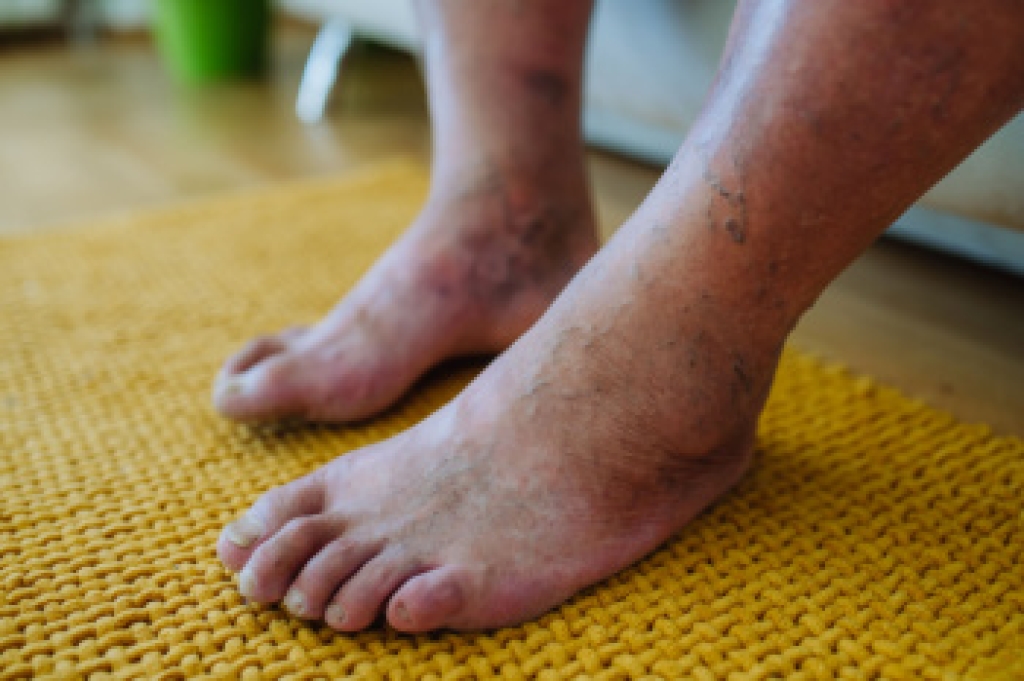
Diabetes can place the feet and lower legs at risk when nerve damage reduces feeling and poor circulation slows healing. A small cut, blister, or pressure spot can become a deep sore without causing much pain. Infection can then spread into tissue or bone, raising the risk of limb loss. Other warning signs include redness, swelling, and drainage. A change in foot shape or skin color also deserves prompt attention. Patients should not wait for pain before seeking care because reduced sensation can hide a serious problem.
Regular visits to a podiatrist are an important part of preventing these complications. A podiatrist can check blood flow, skin condition, and the ability to feel touch or temperature. The exam also identifies corns, calluses, and nail problems before they cause wounds. When a sore is present, the podiatrist can measure its depth and check for infection. Imaging can reveal bone damage or a hidden fracture. Treatment includes professional wound care, removal of damaged tissue, and pressure relief. Custom orthotics or special shoes can protect vulnerable areas. For severe problems, a podiatrist can coordinate advanced wound treatment or surgery with other medical specialists.
Early attention offers the best chance to protect the foot and lower leg. Regular examinations allow a podiatrist to monitor changes and adjust treatment before an injury becomes harder to heal. Patients should report new sores, warmth, or unusual odors promptly. They should also seek care for cracked skin, changes in nail color, or shoes that suddenly feel tight. A podiatrist can safely trim problem nails and treat thick calluses. Education about proper shoes and routine foot checks helps patients recognize concerns early. Working closely with a podiatrist can reduce infection, preserve mobility, and lower the risk of losing a limb. If you have foot complications from diabetes, it is suggested that you are under the care of a podiatrist who can help you to manage this serious condition.
Limb salvage can be an effective way in preventing the need for limb amputation. If you have diabetes, cancer, or any other condition that could lead to foot amputation if left unchecked, consult with Mark Isenberg, DPM from Center for Podiatric Excellence. Our doctor will assess your condition and provide you with quality foot and ankle treatment.
What Is Limb Salvage?
Limb salvage is the attempt of saving a limb, such as the foot from amputation. Podiatrists also try to make sure that there is enough function in the foot after the salvage that it is still usable. Diabetes is the number one cause of non-traumatic amputations in the United States. Those with diabetes experience poor blood circulation, which prevents proper healing of an ulcer. If the ulcer is left uncheck, it could become infected, which could result in the need for amputation.
However, there are other causes as well, such as cancer and traumatic injury. Links between higher mortality rates and amputation have been found. This translates into higher healthcare costs, and a reduced quality of life and mobility for amputees. Podiatrists have attempted to increase the prevalence of limb salvage in an attempt to solve these issues.
Diagnosis and Treatment
Limb salvage teams have grown in recent years that utilize a number of different treatments to save the infected limb. This includes podiatrists that specialize in wound care, rehabilitation, orthotics, and surgery. Through a combination of these methods, limb salvage has been found to be an effective treatment for infected limbs, and as an alternative to amputation. Podiatrists will first evaluate the potential for limb salvage and determine if the limb can be saved or must be amputated.
If you have any questions, please feel free to contact our office located in Pensacola, FL . We offer the newest diagnostic and treatment technologies for all your foot care needs.
