
Have you noticed a bony protrusion on the side of your big toe? If so, you may have developed the foot condition known as a bunion. Don't let bunions interfere with your daily activities.
Have you noticed a bony protrusion on the side of your big toe? If so, you may have developed the foot condition known as a bunion. Don't let bunions interfere with your daily activities.
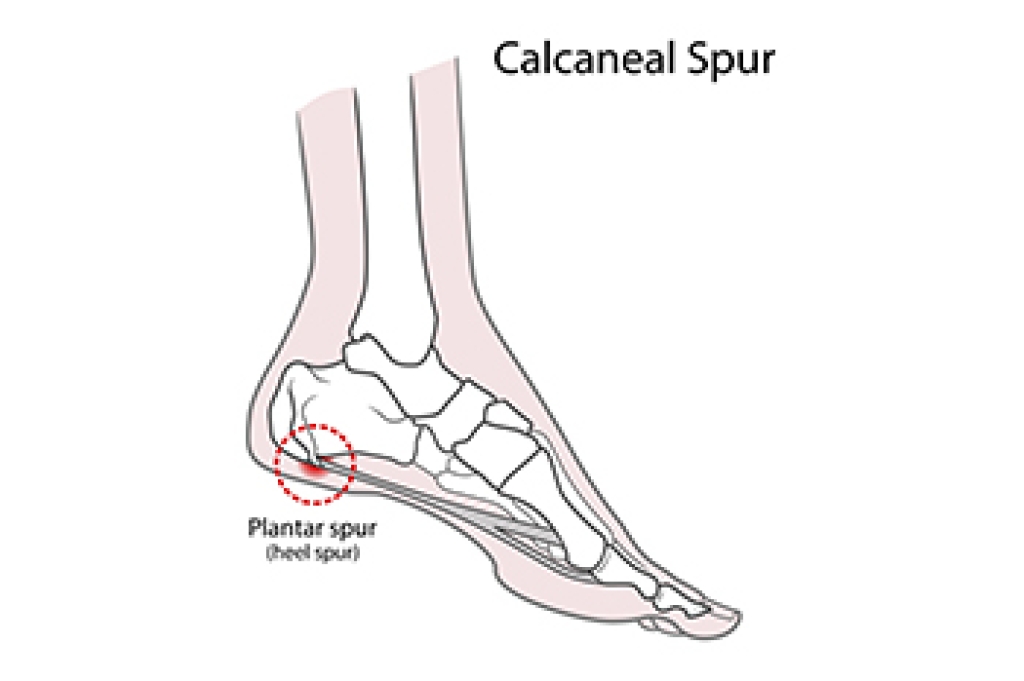
Heel spurs are bony growths that develop on the heel bone. They can form where the plantar fascia, a strong band of tissue along the bottom of the foot, attaches to the heel. Repeated strain on this tissue and the foot muscles can contribute to spur formation. Heel spurs are also linked with plantar fasciitis, which causes irritation in the plantar fascia. However, a heel spur does not always cause pain. Some people have a spur that is discovered on an X-ray even though they have no heel symptoms.
When heel spurs do cause symptoms, patients can feel pain and tenderness on the bottom of the heel. Discomfort can become more noticeable when standing, walking, or running. Some people describe the pain as feeling like pins pressing into the bottom of the foot. Because several foot problems can cause heel pain, identifying the source is important. A podiatrist can examine the heel, ask about activities that trigger discomfort, and evaluate foot structure. Imaging can also show whether a bony growth is present and help confirm the diagnosis.
A podiatrist can develop a treatment plan based on the cause and severity of heel pain. Treatment can focus on reducing pressure around the heel and improving the way the foot functions. Options can include custom orthotics, supportive shoe recommendations, and targeted stretching. A podiatrist can also evaluate whether plantar fasciitis or another foot problem is contributing to the symptoms. When pain continues despite conservative treatment, other treatment choices can be discussed. If you have symptoms of heel spurs, it is suggested that you schedule an appointment with a podiatrist for diagnosis and treatment.
Heel spurs can be incredibly painful and sometimes may make you unable to participate in physical activities. To get medical care for your heel spurs, contact Mark Isenberg, DPM from Center for Podiatric Excellence. Our doctor will do everything possible to treat your condition.
Heels Spurs
Heel spurs are formed by calcium deposits on the back of the foot where the heel is. This can also be caused by small fragments of bone breaking off one section of the foot, attaching onto the back of the foot. Heel spurs can also be bone growth on the back of the foot and may grow in the direction of the arch of the foot.
Older individuals usually suffer from heel spurs and pain sometimes intensifies with age. One of the main condition's spurs are related to is plantar fasciitis.
Pain
The pain associated with spurs is often because of weight placed on the feet. When someone is walking, their entire weight is concentrated on the feet. Bone spurs then have the tendency to affect other bones and tissues around the foot. As the pain continues, the feet will become tender and sensitive over time.
Treatments
There are many ways to treat heel spurs. If one is suffering from heel spurs in conjunction with pain, there are several methods for healing. Medication, surgery, and herbal care are some options.
If you have any questions, please feel free to contact our office located in Pensacola, FL . We offer the newest diagnostic and treatment technologies for all your foot care needs.
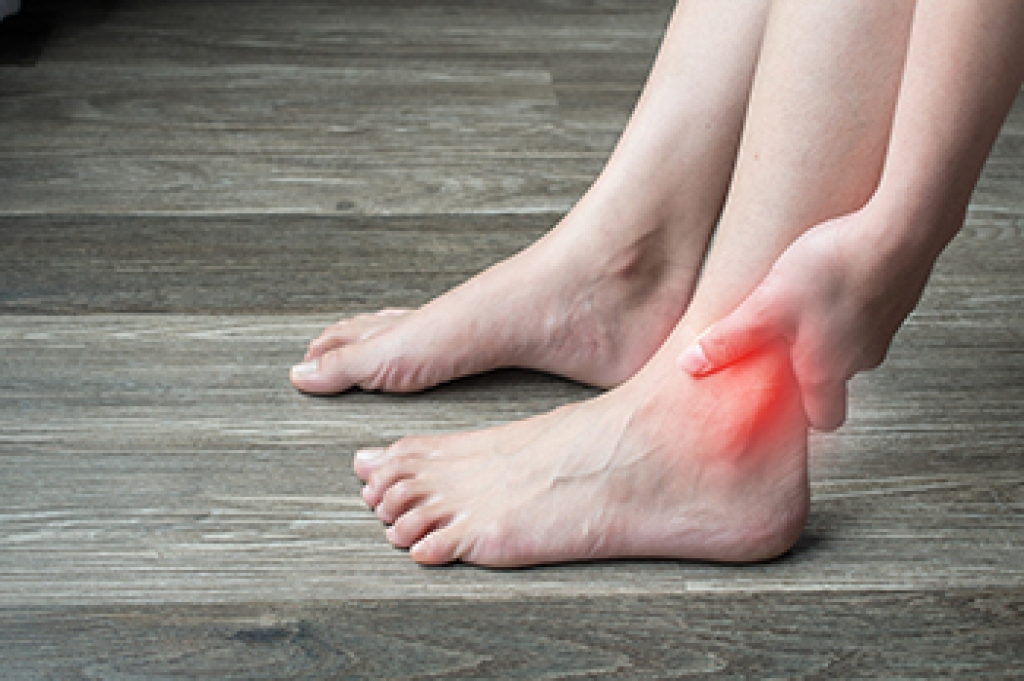
Ankle pain can make walking, standing, and staying active difficult. The ankle is a weight-bearing joint made up of ligaments, tendons, and muscles that work together to provide movement and stability. Pain can develop suddenly after an injury or gradually from repeated stress. Ankle sprains are a common cause and occur when ligaments are stretched or torn. Other causes include arthritis, tendon problems, and fractures. The location and severity of ankle pain can vary depending on the affected tissue. Some conditions cause discomfort only during movement, while others may produce pain even when little pressure is placed on the ankle.
Symptoms include swelling, stiffness, tenderness, or difficulty putting weight on the affected foot. Some people also notice bruising or reduced ankle movement after an injury. Ankle pain that develops gradually may be related to changes in the joint or irritation of a tendon. Because the ankle supports the body with each step, ongoing discomfort can change the way a person walks. These changes may place additional stress on the foot or other parts of the lower leg. Severe pain, significant swelling, or an inability to walk should receive prompt professional attention. An exam can help determine the cause and severity of the problem.
A podiatrist can evaluate ankle pain and identify injuries or conditions affecting the foot and ankle. During an examination, the podiatrist may check joint movement, stability, and areas of tenderness. Imaging may be recommended if a fracture or another structural problem is suspected. Podiatry treatment depends on the diagnosis and may focus on reducing pain, improving mobility, and supporting proper ankle function. An individualized care plan can also address foot mechanics that may place extra stress on the ankle. If persistent ankle pain, swelling, or limited movement is interfering with walking or daily activities, it is suggested that you consult a podiatrist for an evaluation and appropriate treatment options.
Ankle pain can have many different causes and the pain may potentially be serious. If you have ankle pain, consult with Mark Isenberg, DPM from Center for Podiatric Excellence. Our doctor will assess your condition and provide you with quality foot and ankle treatment.
Ankle pain is any condition that causes pain in the ankle. Due to the fact that the ankle consists of tendons, muscles, bones, and ligaments, ankle pain can come from a number of different conditions.
Causes
The most common causes of ankle pain include:
Symptoms
Symptoms of ankle injury vary based upon the condition. Pain may include general pain and discomfort, swelling, aching, redness, bruising, burning or stabbing sensations, and/or loss of sensation.
Diagnosis
Due to the wide variety of potential causes of ankle pain, podiatrists will utilize a number of different methods to properly diagnose ankle pain. This can include asking for personal and family medical histories and of any recent injuries. Further diagnosis may include sensation tests, a physical examination, and potentially x-rays or other imaging tests.
Treatment
Just as the range of causes varies widely, so do treatments. Some more common treatments are rest, ice packs, keeping pressure off the foot, orthotics and braces, medication for inflammation and pain, and surgery.
If you have any questions please feel free to contact our office located in Pensacola, FL . We offer the newest diagnostic tools and technology to treat your foot and ankle needs.

Foot numbness is a loss of feeling in part or all of the foot. It may feel like tingling, pins and needles, or reduced sensitivity. Temporary numbness can happen when pressure affects a nerve. Persistent or recurring numbness deserves attention because it can signal an underlying health problem. Symptoms include weakness, balance changes, or difficulty noticing injuries. Finding the cause early can help protect foot health and movement.
Several conditions can contribute to numb feet. Poor circulation may reduce oxygen reaching nerves and tissues. Nerve damage, known as neuropathy, can interfere with normal sensation. Diabetes is a common cause of peripheral neuropathy. Other conditions linked with foot numbness include thyroid disease, kidney failure, and Lyme disease. Injuries and pressure on nerves can also contribute. Risk factors include diabetes, circulation problems, and nutritional deficiencies.
A podiatrist will begin with an evaluation and medical history. The examination may include checking sensation, reflexes, and muscle strength. The podiatrist may also examine footwear, and testing may be recommended to identify the cause. Treatment depends on the diagnosis and may include wearing supportive footwear, protecting areas with reduced sensation, or treating related foot problems.
Numb feet should not be ignored, particularly when numbness continues or occurs with weakness or skin changes. Reduced sensation can make it easier to miss blisters, cuts, or other injuries, so regular foot checks are important. Wear comfortable, properly fitting shoes, and avoid walking barefoot when sensation is reduced. Protecting the feet can lower the chance of complications while the cause is evaluated. If your feet are numb, it is suggested that you promptly consult a podiatrist who can determine the cause and offer effective management solutions.
Foot Pain
Foot pain can be extremely painful and debilitating. If you have a foot pain, consult with Mark Isenberg, DPM from Center for Podiatric Excellence. Our doctor will assess your condition and provide you with quality foot and ankle treatment.
Causes
Foot pain is a very broad condition that could be caused by one or more ailments. The most common include:
Diagnosis
To figure out the cause of foot pain, podiatrists utilize several different methods. This can range from simple visual inspections and sensation tests to X-rays and MRI scans. Prior medical history, family medical history, and any recent physical traumatic events will all be taken into consideration for a proper diagnosis.
Treatment
Treatment depends upon the cause of the foot pain. Whether it is resting, staying off the foot, or having surgery; podiatrists have a number of treatment options available for foot pain.
If you have any questions, please feel free to contact our office located in Pensacola, FL . We offer the newest diagnostic and treatment technologies for all your foot care needs.

Falls can become a serious concern as people grow older, and foot health plays an important role in maintaining balance and mobility. Painful feet may change the way a person walks and make it harder to remain steady. Certain foot problems can also reduce stability and increase the risk of falling. Bunions, hammertoes, and painful calluses are examples of problems that may interfere with comfortable walking. Age-related changes can affect the feet as well. Regular professional foot care can help identify problems that may affect balance before they contribute to greater difficulty with everyday movement.
Proper footwear is another important part of fall prevention. Shoes that fit poorly may make walking uncomfortable or affect stability. Older adults can benefit from footwear that provides adequate support and fits the shape of the foot correctly. Shoes should also provide enough room for the toes without allowing the foot to slide inside. A podiatrist can evaluate whether existing foot problems are affecting the way a person walks. Changes in balance or walking patterns may be related to foot pain, deformities, or other concerns. Addressing these problems professionally can help support safer movement and reduce factors that may contribute to falls.
A podiatrist can perform a complete foot examination to identify conditions that may interfere with balance and mobility. During an evaluation, the podiatrist can assess foot structure, areas of pain, and walking patterns. Treatment can then be tailored to the individual’s foot health and specific needs. Professional podiatry care may also include recommendations for properly fitted footwear or other measures designed to improve stability. For older adults, maintaining healthy feet can support independence and make everyday movement safer. If foot pain, balance problems, or changes in walking are increasing your risk of falling, it is suggested that you consult a podiatrist for an evaluation and appropriate treatment options.
Preventing falls among the elderly is very important. If you are older and have fallen or fear that you are prone to falling, consult with Mark Isenberg, DPM from Center for Podiatric Excellence. Our doctor will assess your condition and provide you with quality advice and care.
Every 11 seconds, an elderly American is being treated in an emergency room for a fall related injury. Falls are the leading cause of head and hip injuries for those 65 and older. Due to decreases in strength, balance, senses, and lack of awareness, elderly persons are very susceptible to falling. Thankfully, there are a number of things older persons can do to prevent falls.
How to Prevent Falls
Some effective methods that older persons can do to prevent falls include:
Falling can be a traumatic and embarrassing experience for elderly persons; this can make them less willing to leave the house, and less willing to talk to someone about their fears of falling. Doing such things, however, will increase the likelihood of tripping or losing one’s balance. Knowing the causes of falling and how to prevent them is the best way to mitigate the risk of serious injury.
If you have any questions, please feel free to contact our office located in Pensacola, FL . We offer the newest diagnostic and treatment technologies for all your foot care needs.
Connect With Us
