Plantar Fasciitis and Morning Heel Pain

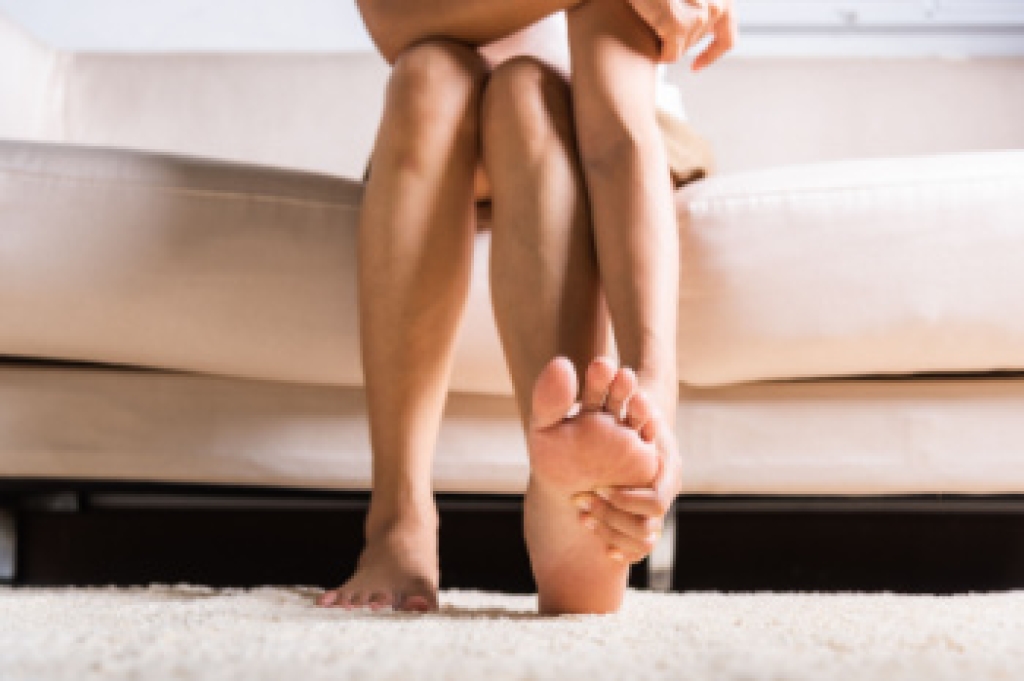
Plantar fasciitis is a common condition involving inflammation of the thick band of tissue that supports the arch of the foot. It often causes sharp pain in the heel, especially with the first steps in the morning or after periods of rest. This discomfort typically lessens as walking continues, but it may return after long periods of exertion. Pain is usually felt along the bottom of the heel and arch. Risk factors include prolonged standing, tight calf muscles, and flat feet. Having high arches and wearing shoes that lack support are other factors. Early attention can prevent worsening symptoms. A podiatrist can diagnose the condition, recommend stretching, orthotics, and other treatments to reduce strain. If you have heel pain, it is suggested that you promptly consult a podiatrist who can begin effective relief and treatment solutions.

Plantar fasciitis is a common foot condition that is often caused by a strain injury. If you are experiencing heel pain or symptoms of plantar fasciitis, contact Mark Isenberg, DPM from Center for Podiatric Excellence. Our doctor can provide the care you need to keep you pain-free and on your feet.

What Is Plantar Fasciitis?

Plantar fasciitis is one of the most common causes of heel pain. The plantar fascia is a ligament that connects your heel to the front of your foot. When this ligament becomes inflamed, plantar fasciitis is the result. If you have plantar fasciitis you will have a stabbing pain that usually occurs with your first steps in the morning. As the day progresses and you walk around more, this pain will start to disappear, but it will return after long periods of standing or sitting.

What Causes Plantar Fasciitis?

  • Excessive running
  • Having high arches in your feet
  • Other foot issues such as flat feet
  • Pregnancy (due to the sudden weight gain)
  • Being on your feet very often

There are some risk factors that may make you more likely to develop plantar fasciitis compared to others. The condition most commonly affects adults between the ages of 40 and 60. It also tends to affect people who are obese because the extra pounds result in extra stress being placed on the plantar fascia.

Prevention

  • Take good care of your feet – Wear shoes that have good arch support and heel cushioning.
  • Maintain a healthy weight
  • If you are a runner, alternate running with other sports that won’t cause heel pain

There are a variety of treatment options available for plantar fasciitis along with the pain that accompanies it. Additionally, physical therapy is a very important component in the treatment process. It is important that you meet with your podiatrist to determine which treatment option is best for you.

If you have any questions, please feel free to contact our office located in Pensacola, FL . We offer the newest diagnostic and treatment technologies for all your foot care needs.


Read more about Plantar Fasciitis

Cuboid Syndrome and Lateral Foot Pain

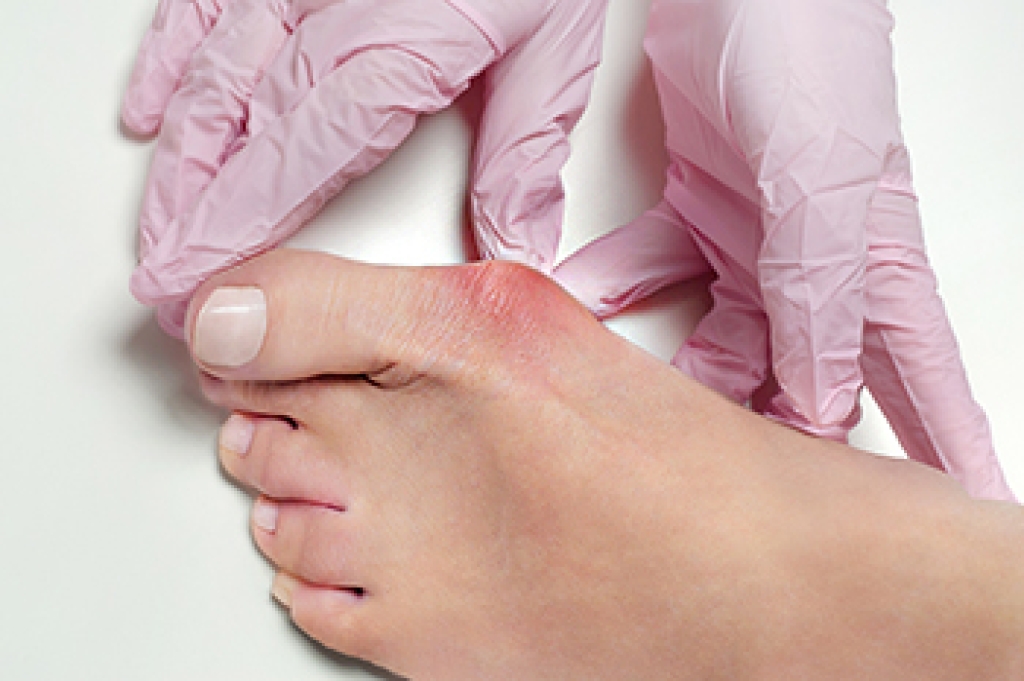
Cuboid syndrome is a condition involving the cuboid bone in the foot, where it becomes misaligned or irritated, leading to discomfort and impaired movement. There is often pain on the outer side of the foot, especially during walking or standing, and it may be weak or difficult to bear weight. Causes can include falls, sudden missteps, or repetitive strain, while flat feet may increase stress on the area. Risk factors include athletic activity, wearing improper footwear, and previous foot injuries. A podiatrist can evaluate the condition, provide manual treatment, recommend supportive devices, and guide rehabilitation. If you have pain in this area of your foot, it is suggested that you consult a podiatrist who can accurately diagnose and treat what may be going on.

Cuboid syndrome, also known as cuboid subluxation, occurs when the joints and ligaments near the cuboid bone in the foot become torn. If you have cuboid syndrome, consult with Mark Isenberg, DPM from Center for Podiatric Excellence. Our doctor will assess your condition and provide you with quality foot and ankle treatment.

Cuboid syndrome is a common cause of lateral foot pain, which is pain on the outside of the foot. The condition may happen suddenly due to an ankle sprain, or it may develop slowly overtime from repetitive tension through the bone and surrounding structures.

Causes

The most common causes of cuboid syndrome include:

  • Injury – The most common cause of this ailment is an ankle sprain.
  • Repetitive Strain – Tension placed through the peroneus longus muscle from repetitive activities such as jumping and running may cause excessive traction on the bone causing it to sublux.
  • Altered Foot Biomechanics – Most people suffering from cuboid subluxation have flat feet.

Symptoms

A common symptom of cuboid syndrome is pain along the outside of the foot which can be felt in the ankle and toes. This pain may create walking difficulties and may cause those with the condition to walk with a limp.

Diagnosis

Diagnosis of cuboid syndrome is often difficult, and it is often misdiagnosed. X-rays, MRIs and CT scans often fail to properly show the cuboid subluxation. Although there isn’t a specific test used to diagnose cuboid syndrome, your podiatrist will usually check if pain is felt while pressing firmly on the cuboid bone of your foot.

Treatment

Just as the range of causes varies widely, so do treatments. Some more common treatments are ice therapy, rest, exercise, taping, and orthotics.

If you have any questions, please feel free to contact our office located in Pensacola, FL . We offer the newest diagnostic and treatment technologies for all your foot care needs.

Read more about All About Cuboid Syndrome

Common Foot and Ankle Injuries in Pickleball

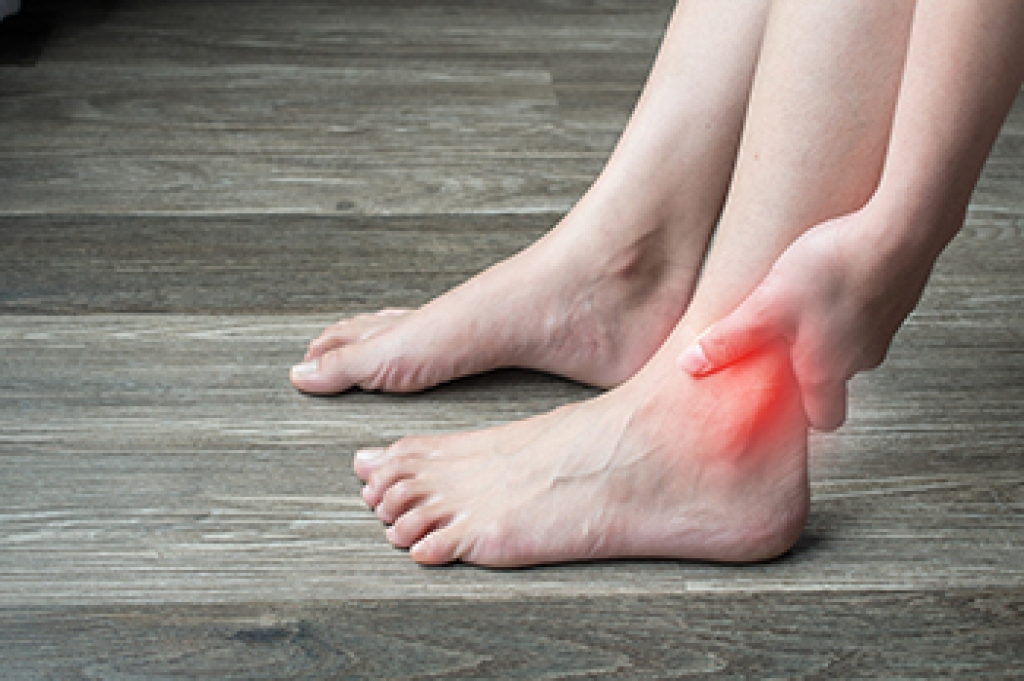
Pickleball is a great way for older adults to stay active, but it can place repeated stress on the feet and ankles, especially with quick pivots, side-to-side movements, and sudden stops. These motions can increase the risk of sprains, which occur when ligaments are overstretched during an awkward step or loss of balance. Strains may also develop in muscles and tendons due to overuse or reduced flexibility. For seniors, factors like decreased balance, muscle strength, and joint stability can make these injuries more likely. Wearing shoes that lack proper support or have poor traction can further increase the risk of slipping or instability on the court. A podiatrist can help by evaluating foot structure, addressing pain, and recommending supportive footwear or custom orthotics to improve stability and reduce strain.  If you have foot or ankle pain while playing pickleball, it is suggested that you consult a podiatrist, who can relieve discomfort, improve safety, and help you continue enjoying this popular and social activity.

Ankle and foot injuries are common among athletes and in many sports. They can be caused by several problems and may be potentially serious. If you are feeling pain or think you were injured in a sporting event or when exercising, consult with Mark Isenberg, DPM from Center for Podiatric Excellence. Our doctor will assess your condition and provide you with quality foot and ankle treatment.

Common Injuries

The most common injuries that occur in sporting activities include:

  • Achilles Tendonitis
  • Achilles Tendon Rupture
  • Ankle Sprains
  • Broken Foot
  • Plantar Fasciitis
  • Stress Fractures
  • Turf Toe

Symptoms

Symptoms vary depending upon the injury and in some cases, there may be no symptoms at all. However, in most cases, some form of symptom is experienced. Pain, aching, burning, bruising, tenderness, tightness or stiffness, sensation loss, difficulty moving, and swelling are the most common symptoms.

Treatment

Just as symptoms vary depending upon the injury, so do treatment options. A common treatment method is known as the RICE method. This method involves rest, applying ice, compression and elevating the afflicted foot or ankle. If the injury appears to be more serious, surgery might be required, such as arthroscopic or reconstructive surgery. Lastly, rehabilitation or therapy might be needed to gain full functionality in the afflicted area. Any discomfort experienced by an athlete must be evaluated by a licensed, reputable medical professional.  

If you have any questions please contact our office located in Pensacola, FL . We offer the newest diagnostic and treatment technologies for all your foot and ankle needs.

Read more about Sports Related Foot And Ankle Injuries

Simple Spring Foot Care Tips

Taking care of your feet during spring and summer is important to keep them healthy, comfortable, and looking their best. Warm weather and increased activity can lead to dryness, calluses, and irritation. Regular foot soaks can help soften the skin and relax tired feet. Using a foot scrub can remove buildup and keep skin smooth. Applying moisturizer daily helps prevent dryness and cracking. Proper nail trimming supports healthy nail growth and reduces the risk of ingrown nails. Wearing breathable footwear can also help maintain overall foot health. A podiatrist can help by addressing concerns, providing professional care, and recommending personalized treatments. If you have concerning foot conditions, it is suggested that you consult a podiatrist who can offer effective treatment solutions, and guide you on additional everyday foot care tips.

Everyday foot care is very important to prevent infection and other foot ailments. If you need your feet checked, contact Mark Isenberg, DPM from Center for Podiatric Excellence. Our doctor can provide the care you need to keep you pain-free and on your feet.

Everyday Foot Care

Often, people take care of their bodies, face and hair more so than they do for their feet. But the feet are a very important aspect of our bodies, and one that we should pay more attention to. Without our feet, we would not be able to perform most daily tasks.

It is best to check your feet regularly to make sure there are no new bruises or cuts that you may not have noticed before. For dry feet, moisturizer can easily be a remedy and can be applied as often as necessary to the affected areas. Wearing shoes that fit well can also help you maintain good foot health, as well as making it easier to walk and do daily activities without the stress or pain of ill-fitting shoes, high heels, or even flip flops. Wearing clean socks with closed shoes is important to ensure that sweat and bacteria do not accumulate within the shoe. Clean socks help to prevent Athlete’s foot, fungi problems, bad odors, and can absorb sweat.

If you have any questions, please feel free to contact our office located in Pensacola, FL . We offer the newest diagnostic and treatment technologies for all your foot care needs.

Read more about Every Day Foot Care

Let the Expert Treat Your Ingrown Toenails

Ingrown toenails can be painful and can make wearing shoes or walking uncomfortable. Seek professional help if you believe you've developed an ingrown toenail and be treated safely. 

Connect With Us

Advanced Podiatry Services in the Brent, FL and East Hill, North Hill, Cordova Mall, Estates, Bayou Texar, College Park, Azalea park, Bonair in Pensacola, Florida areas