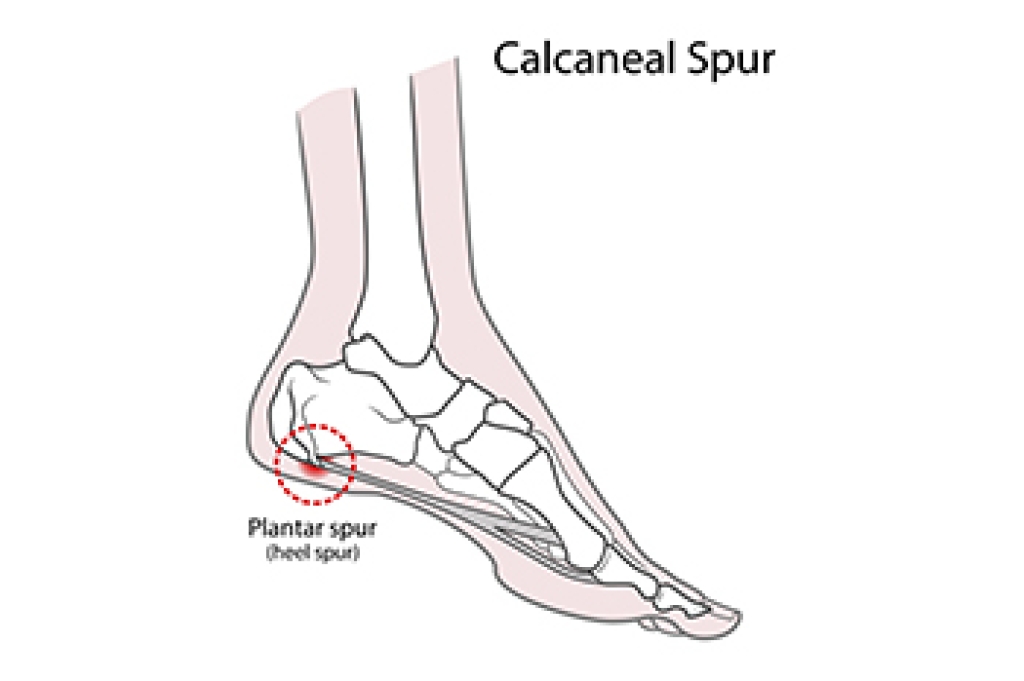
Plantar fasciitis develops when the plantar fascia becomes irritated and swollen. This band of tissue is a ligament that runs from the heel bone toward the toes. It supports the arch and helps absorb force when walking. Repeated strain can cause tiny tears that lead to pain near the bottom of the heel. The discomfort is sharpest with the first steps after getting out of bed. It can also return after sitting for a long period of time. Stiffness and swelling can occur, and the pain may increase after exercise.
Several factors can place too much stress on the plantar fascia. Running, jumping, and standing for long periods of time on a hard surface can increase the strain. A sudden increase in activity can also trigger symptoms of plantar fasciitis. Other risk factors include tight calf muscles, excess body weight, and being between ages 40 and 60. Flat feet or high arches can change how pressure moves through the foot. Although heel spurs may appear on an X-ray, these bony growths are not always the source of pain. An exam from a podiatrist helps distinguish plantar fasciitis from a stress fracture, nerve problem, or other cause of heel discomfort.
A podiatrist can examine the tender area and check foot and ankle movement. The visit includes a review of activity levels, shoes, and when symptoms occur. X-rays can help rule out a fracture or bone problem. A podiatrist can recommend properly fitted shoes or prescribe custom orthotics to improve support and reduce pressure. Treatment also includes taping or wearing a night splint that gently holds the foot in a better position while sleeping. Other office-based treatments can be discussed for persistent pain. Surgery is rarely required. It is considered only when continued care has not provided expected relief. If you have heel pain, it is suggested that you schedule an appointment with a podiatrist who can accurately diagnose and treat plantar fasciitis.
Plantar fasciitis can be very painful and inconvenient. If you are experiencing heel pain or symptoms of plantar fasciitis, contact Mark Isenberg, DPM from Center for Podiatric Excellence. Our doctor can provide the care you need to keep you pain-free and on your feet.
What Is Plantar Fasciitis?
Plantar fasciitis is the inflammation of the thick band of tissue that runs along the bottom of your foot, known as the plantar fascia, and causes mild to severe heel pain.
What Causes Plantar Fasciitis?
- Excessive running
- Non-supportive shoes
- Overpronation
- Repeated stretching and tearing of the plantar fascia
How Can It Be Treated?
- Conservative measures – anti-inflammatories, ice packs, stretching exercises, physical therapy, orthotic devices
- Shockwave therapy – sound waves are sent to the affected area to facilitate healing and are usually used for chronic cases of plantar fasciitis
- Surgery – usually only used as a last resort when all else fails. The plantar fascia can be surgically detached from the heel
While very treatable, plantar fasciitis is definitely not something that should be ignored. Especially in severe cases, speaking to your doctor right away is highly recommended to avoid complications and severe heel pain. Your podiatrist can work with you to provide the appropriate treatment options tailored to your condition.
If you have any questions, please feel free to contact our office located in Pensacola, FL . We offer the newest diagnostic and treatment technologies for all your foot care needs.