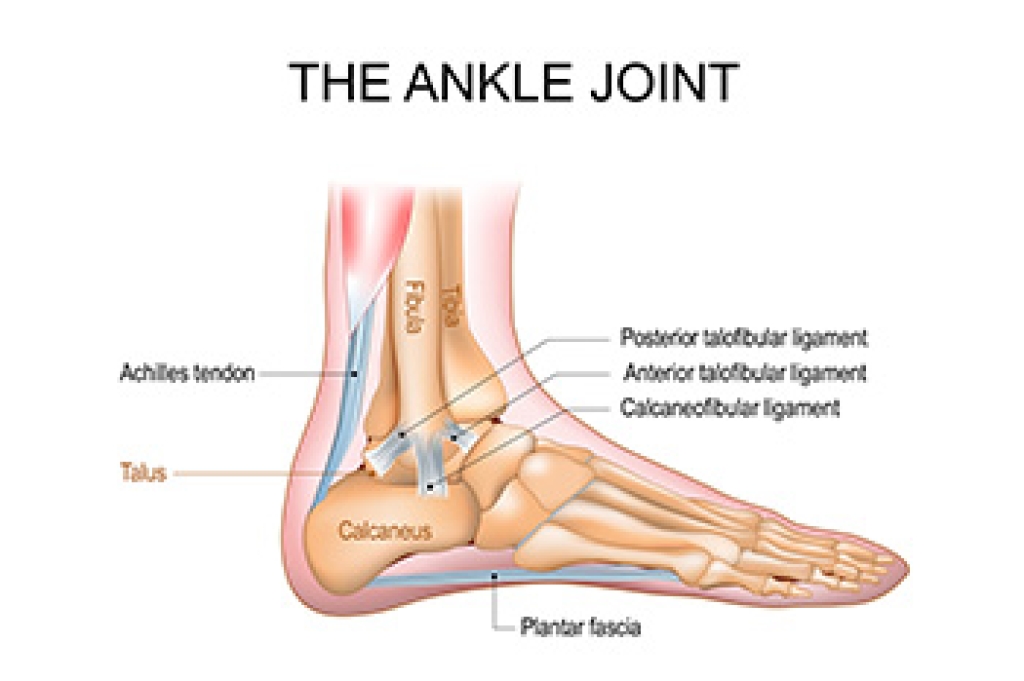
Foot and Ankle Structure and Function

The foot and ankle form a complex structure designed for stability, mobility, and weight-bearing. The talocrural joint, commonly known as the ankle joint, connects the tibia, fibula, and talus. It allows for up and down movement of the foot, essential for walking and running. Beneath it lies the subtalar joint, which connects the talus and calcaneus bones and enables side-to-side motion, helping the foot adapt to uneven surfaces. The midtarsal joint, also called the transverse tarsal joint, includes the talonavicular and calcaneocuboid joints. This joint helps with rotational movement and flexibility. Together, these joints allow the foot and ankle to support body weight, absorb shock, and provide the motion needed for movement, balance, and overall function during daily activities. If you have injured your foot or ankle, it is suggested that you consult a podiatrist who can treat various foot conditions.

If you have any concerns about your feet, contact Mark Isenberg, DPM from Center for Podiatric Excellence. Our doctor can provide the care you need to keep you pain-free and on your feet.

Biomechanics in Podiatry

Podiatric biomechanics is a particular sector of specialty podiatry with licensed practitioners who are trained to diagnose and treat conditions affecting the foot, ankle and lower leg. Biomechanics deals with the forces that act against the body, causing an interference with the biological structures. It focuses on the movement of the ankle, the foot and the forces that interact with them.

A History of Biomechanics

  • Biomechanics dates back to the BC era in Egypt where evidence of professional foot care has been recorded.
  • In 1974, biomechanics gained a higher profile from the studies of Merton Root, who claimed that by changing or controlling the forces between the ankle and the foot, corrections or conditions could be implemented to gain strength and coordination in the area.

Modern technological improvements are based on past theories and therapeutic processes that provide a better understanding of podiatric concepts for biomechanics. Computers can provide accurate information about the forces and patterns of the feet and lower legs.

Understanding biomechanics of the feet can help improve and eliminate pain, stopping further stress to the foot.

If you have any questions please feel free to contact our office located in Pensacola, FL . We offer the newest diagnostic and treatment technologies for all your foot and ankle needs.


Read more about Biomechanics in Podiatry

Common Causes of Toe Pain and What They Mean

Toe pain can stem from a variety of conditions, each affecting movement and comfort in different ways. Bunions and bunionettes are bony bumps that develop at the base of the big toe or the little toe, often causing pain, swelling, and difficulty with footwear. Arthritis, including osteoarthritis and rheumatoid arthritis, can lead to stiffness, inflammation, and joint pain in the toes, sometimes making walking difficult. Infections such as ingrown toenails or fungal conditions may also cause discomfort, redness, and tenderness. Additionally, inflammatory issues like gout can result in sudden, intense pain and swelling, especially in the big toe. If you have developed toe pain, it is suggested that you contact a podiatrist who can determine the cause and offer appropriate treatment solutions.

Toe pain can disrupt your daily activities. If you have any concerns, contact Mark Isenberg, DPM of Center for Podiatric Excellence. Our doctor can provide the care you need to keep you pain-free and on your feet.

What Causes Toe Pain?

Most severe toe pain is caused due to a sports injury, trauma from dropping something heavy on the toe, or bumping into something rigid. Other problems can develop over time for various reasons.

Toe pain can be caused by one or more ailments. The most common include:

  • Trauma
  • Sports injury
  • Wearing shoes that are too tight
  • Arthritis
  • Gout
  • Corns and calluses
  • Hammertoe
  • Bunions
  • Blisters
  • Ingrown toenails
  • Sprains
  • Fractures (broken bones)
  • Dislocations

When to See a Podiatrist

  • Severe pain
  • Persistent pain that lasts more than a week
  • Signs of infection
  • Continued swelling
  • Pain that prevents walking

Diagnosis

In many cases the cause of toe pain is obvious, but in others, a podiatrist may want to use more advanced methods to determine the problem. These can range from simple visual inspections and sensation tests to X-rays and MRI scans. Prior medical history, family medical history, and any recent physical traumatic events will all be taken into consideration for a proper diagnosis.

Treatment

Treatments for toe pain and injuries vary and may include shoe inserts, padding, taping, medicines, injections, and in some cases, surgery. If you believe that you have broken a toe, please see a podiatrist as soon as possible.

If you have any questions please contact our office located in Pensacola, FL . We offer the newest diagnostic and treatment technologies for all your foot and ankle needs.

Read more about Toe Pain

Types and Symptoms of Athlete’s Foot

Athlete's foot, medically known as tinea pedis, is a fungal infection that can occur between the toes, on the soles, and around the heels. Types of athlete's foot include interdigital, moccasin, vesicular, and ulcerative infections. Interdigital infections often start between the smallest toes, causing red, itchy, and peeling skin. Moccasin-type infections affect the sole and can make the skin appear dry and scaly. Vesicular infections produce painful, itchy blisters filled with fluid, and ulcerative infections involve open sores that can lead to additional bacterial infections. Symptoms include itching, burning, cracking, or thickened skin on the feet. Athlete's foot is highly contagious, often spread by walking barefoot in warm, damp environments like locker room showers or pool areas. A podiatrist can diagnose this infection by examining the skin, and, if needed, testing a skin sample to identify the fungus. Medical treatment may involve topical or oral antifungal medications to clear the infection and reduce the risk of complications. If you have a stubborn athlete's foot infection, it is suggested that you schedule an appointment with a podiatrist for advanced treatment.

Athlete’s Foot

Athlete’s foot is often an uncomfortable condition to experience. Thankfully, podiatrists specialize in treating athlete’s foot and offer the best treatment options. If you have any questions about athlete’s foot, consult with Mark Isenberg, DPM from Center for Podiatric Excellence. Our doctor will assess your condition and provide you with quality treatment.

What Is Athlete’s Foot?

Tinea pedis, more commonly known as athlete’s foot, is a non-serious and common fungal infection of the foot. Athlete’s foot is contagious and can be contracted by touching someone who has it or infected surfaces. The most common places contaminated by it are public showers, locker rooms, and swimming pools. Once contracted, it grows on feet that are left inside moist, dark, and warm shoes and socks.

Prevention

The most effective ways to prevent athlete’s foot include:

  • Thoroughly washing and drying feet
  • Avoid going barefoot in locker rooms and public showers
  • Using shower shoes in public showers
  • Wearing socks that allow the feet to breathe
  • Changing socks and shoes frequently if you sweat a lot

Symptoms

Athlete’s foot initially occurs as a rash between the toes. However, if left undiagnosed, it can spread to the sides and bottom of the feet, toenails, and if touched by hand, the hands themselves. Symptoms include:

  • Redness
  • Burning
  • Itching
  • Scaly and peeling skin

Diagnosis and Treatment

Diagnosis is quick and easy. Skin samples will be taken and either viewed under a microscope or sent to a lab for testing. Sometimes, a podiatrist can diagnose it based on simply looking at it. Once confirmed, treatment options include oral and topical antifungal medications.

If you have any questions, please feel free to contact our office located in Pensacola, FL . We offer the newest diagnostic and treatment technologies for all your foot care needs.

Read more about Athlete's Foot

Symptoms and Causes of Ingrown Toenails

Ingrown toenails, which often affect the big toe, can become painful when the nail edge grows into the surrounding skin. Ingrown toenails are common among adolescents, people with diabetes, and those who wear tight shoes. Early symptoms include pain and redness, while more advanced cases may lead to swelling, discharge, and infection. Risk factors include improper trimming of nails, trauma, congenital nail shape issues, and excessive pressure from wearing ill-fitting shoes. When left untreated, an ingrown toenail can lead to bacterial or fungal infections, thickened tissue, or even nail deformity. Treatments by a podiatrist include oral or topical antibiotics to address infection, use of nail splints to lift the nail edge, or cutting away inflamed tissue. In persistent or recurrent cases, partial or total removal of the nail matrix through surgery or chemical treatment may be necessary. If you are experiencing pain from an ingrown toenail, it is suggested that you schedule an appointment with a podiatrist for appropriate treatment.

Ingrown toenails may initially present themselves as a minor discomfort, but they may progress into an infection in the skin without proper treatment. For more information about ingrown toenails, contact Mark Isenberg, DPM of Center for Podiatric Excellence. Our doctor can provide the care you need to keep you pain-free and on your feet.

Ingrown Toenails

Ingrown toenails are caused when the corner or side of a toenail grows into the soft flesh surrounding it. They often result in redness, swelling, pain, and in some cases, infection. This condition typically affects the big toe and may recur if it is not treated properly.

Causes

  • Improper toenail trimming
  • Genetics
  • Improper shoe fitting
  • Injury from pedicures or nail picking
  • Abnormal gait
  • Poor hygiene

You are more likely to develop an ingrown toenail if you are obese, have diabetes, arthritis, or have any fungal infection in your nails. Additionally, people who have foot or toe deformities are at a higher risk of developing an ingrown toenail.

Symptoms

Some symptoms of ingrown toenails are redness, swelling, and pain. In rare cases, there may be a yellowish drainage coming from the nail.

Treatment

Ignoring an ingrown toenail can have serious complications. Infections of the nail border can progress to a deeper soft-tissue infection, which can then turn into a bone infection. You should always speak with your podiatrist if you suspect you have an ingrown toenail, especially if you have diabetes or poor circulation.

If you have any questions, please feel free to contact our office located in Pensacola, FL . We offer the newest diagnostic and treatment technologies for all your foot care needs.

Read more about Ingrown Toenails

Facts About Morton’s Neuroma Surgery Recovery

Morton’s neuroma surgery is performed to relieve nerve pain in the ball of the foot, typically between the third and fourth toes. Recovery from this procedure varies depending on the individual and the surgical method used. Most patients can expect reduced pain over time as the nerve irritation is addressed. Initially, rest and limited activity are important to promote healing and reduce swelling. Wearing supportive shoes and avoiding high-impact activities helps protect the foot during recovery. Additionally, some numbness or tingling may persist in the affected toes due to nerve removal or manipulation. If you have persistent pain from Morton’s neuroma, it is suggested that you consult a podiatrist who can determine if surgery is right for you.

Foot surgery is sometimes necessary to treat a foot ailment. To learn more, contact Mark Isenberg, DPM of Center for Podiatric Excellence. Our doctor will assist you with all of your foot and ankle needs.

When Is Surgery Necessary?

Foot and ankle surgery is generally reserved for cases in which less invasive, conservative procedures have failed to alleviate the problem. Some of the cases in which surgery may be necessary include:

  • Removing foot deformities like bunions and bone spurs
  • Severe arthritis that has caused bone issues
  • Cosmetic reconstruction

What Types of Surgery Are There?

The type of surgery you receive will depend on the nature of the problem you have. Some of the possible surgeries include:

  • Bunionectomy for painful bunions
  • Surgical fusion for realignment of bones
  • Neuropathy decompression surgery to treat nerve damage

Benefits of Surgery

Although surgery is usually a last resort, it can provide more complete pain relief compared to non-surgical methods and may allow you to finally resume full activity.

Surgical techniques have also become increasingly sophisticated. Techniques like endoscopic surgery allow for smaller incisions and faster recovery times.

If you have any questions, please feel free to contact our office located in Pensacola, FL . We offer the newest diagnostic and treatment technologies for all your foot care needs.

Read more about Foot Surgery

Connect With Us

Advanced Podiatry Services in the Brent, FL and East Hill, North Hill, Cordova Mall, Estates, Bayou Texar, College Park, Azalea park, Bonair in Pensacola, Florida areas