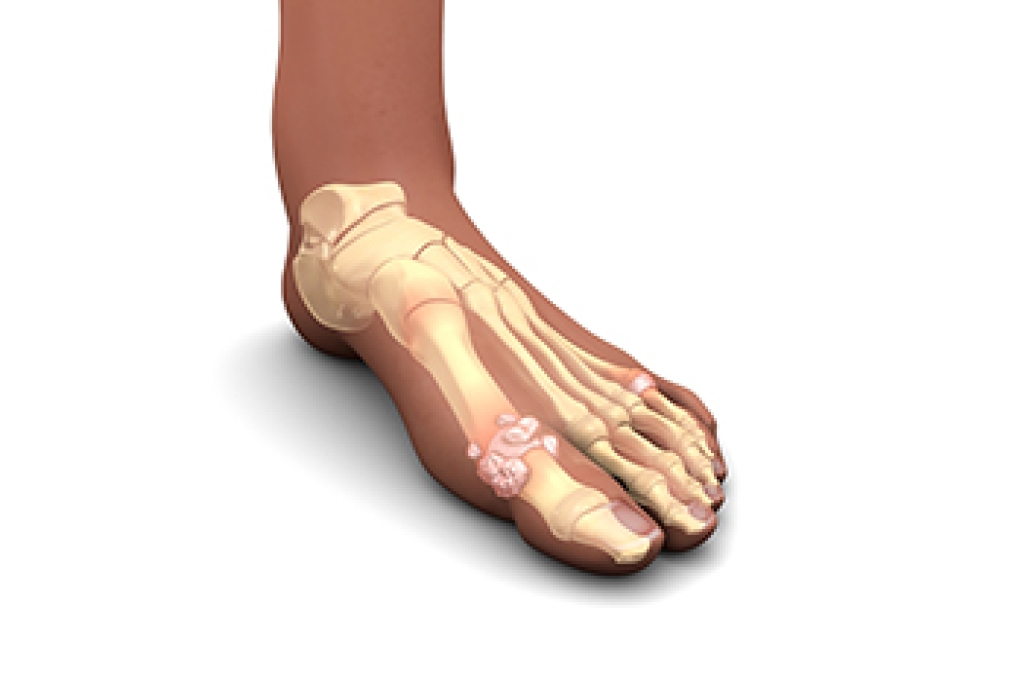
Prevention Tips for Gout

When uric acid builds up in the joints, usually the big toe, it forms a very painful type of arthritis known as gout. This happens when there is too much uric acid in the blood, and the acid forms crystals around the joints causing them to be stiff, irritated and painful. The main key to preventing gout is a healthy lifestyle, which includes maintaining a healthy weight, getting enough vitamin C, and avoiding foods that are high in purines. Patients who are struggling with pain in their big toe and believe it is due to gout would be wise to consult with a podiatrist. The doctor will assist in managing the condition, as well as provide options for pain relief.   

Gout is a painful condition that can be treated. If you are seeking treatment, contact Mark Isenberg, DPM from Center for Podiatric Excellence. Our doctor will treat your foot and ankle needs.

What Is Gout?

Gout is a form of arthritis that is characterized by sudden, severe attacks of pain, redness, and tenderness in the joints. The condition usually affects the joint at the base of the big toe. A gout attack can occur at any random time, such as the middle of the night while you are asleep.

Symptoms

  • Intense Joint Pain - Usually around the large joint of your big toe, and it most severe within the first four to twelve hours
  • Lingering Discomfort - Joint discomfort may last from a few days to a few weeks
  • Inflammation and Redness -Affected joints may become swollen, tender, warm and red
  • Limited Range of Motion - May experience a decrease in joint mobility

Risk Factors

  • Genetics - If family members have gout, you’re more likely to have it
  • Medications - Diuretic medications can raise uric acid levels
  • Gender/Age - Gout is more common in men until the age of 60. It is believed that estrogen protects women until that point
  • Diet - Eating red meat and shellfish increases your risk
  • Alcohol - Having more than two alcoholic drinks per day increases your risk
  • Obesity - Obese people are at a higher risk for gout

Prior to visiting your podiatrist to receive treatment for gout, there are a few things you should do beforehand. If you have gout you should write down your symptoms--including when they started and how often you experience them, important medical information you may have, and any questions you may have. Writing down these three things will help your podiatrist in assessing your specific situation so that he or she may provide the best route of treatment for you.

If you have any questions, please feel free to contact our office located in Pensacola, FL . We offer the newest diagnostic and treatment technologies for all your foot care needs.
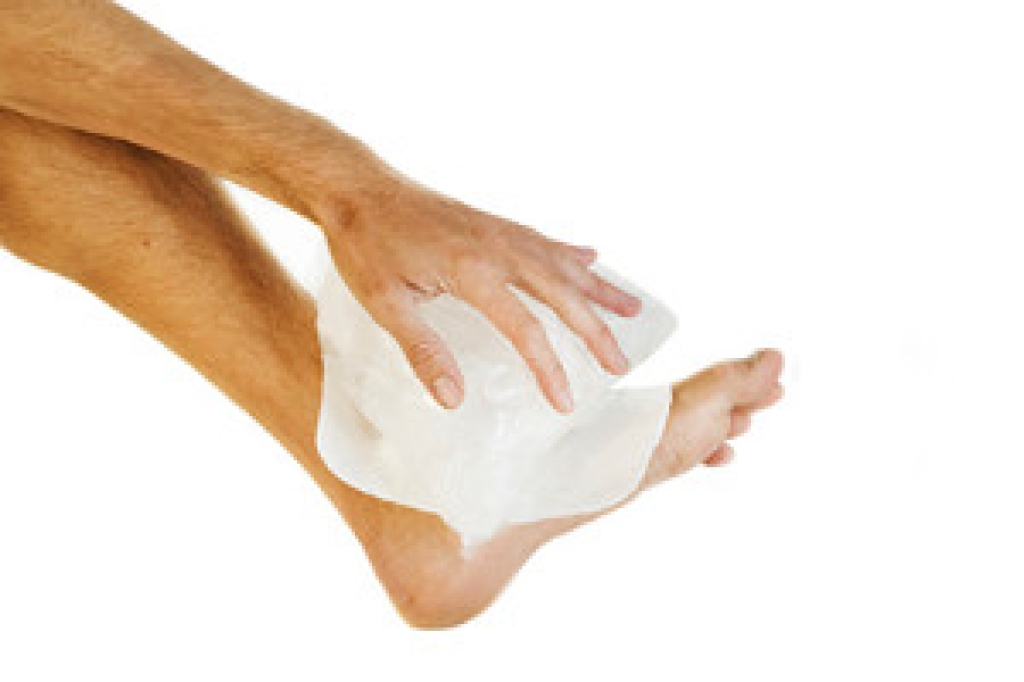
Read more about Gout

Extensor Tendonitis May Cause Pain in the Top of Your Foot

Pain in the top of the foot can be caused from a variety of conditions, one of them being extensor tendinitis. Tendons are fibrous tissues that connect muscles to bone. Extensor tendons are located on the top of the feet. They connect bones in the toes to muscles on the front portion of the leg which work together to help raise your toes and flex your feet. These tendons can become inflamed and irritated from wearing tight, small, or non-supportive shoes, or from overuse. This condition, known as extensor tendonitis, can cause pain and swelling in the top of the feet that may worsen after activity. If you are experiencing this type of foot pain, it is a good idea to contact a podiatrist. After the examination, if it’s determined that you have extensor tendonitis, your doctor may prescribe a course of treatment that includes rest, anti-inflammatory medication, splinting, physical therapy, or even steroid injections.

Foot Pain

Foot pain can be extremely painful and debilitating. If you have a foot pain, consult with Mark Isenberg, DPM from Center for Podiatric Excellence. Our doctor will assess your condition and provide you with quality foot and ankle treatment.

Causes

Foot pain is a very broad condition that could be caused by one or more ailments. The most common include:

  • Bunions
  • Hammertoes
  • Plantar Fasciitis
  • Bone Spurs
  • Corns
  • Tarsal Tunnel Syndrome
  • Ingrown Toenails
  • Arthritis (such as Gout, Rheumatoid, and Osteoarthritis)
  • Flat Feet
  • Injury (from stress fractures, broken toe, foot, ankle, Achilles tendon ruptures, and sprains)
  • And more

Diagnosis

To figure out the cause of foot pain, podiatrists utilize several different methods. This can range from simple visual inspections and sensation tests to X-rays and MRI scans. Prior medical history, family medical history, and any recent physical traumatic events will all be taken into consideration for a proper diagnosis.

Treatment

Treatment depends upon the cause of the foot pain. Whether it is resting, staying off the foot, or having surgery; podiatrists have a number of treatment options available for foot pain.

If you have any questions, please feel free to contact our office located in Pensacola, FL . We offer the newest diagnostic and treatment technologies for all your foot care needs.
Read more about Foot Pain

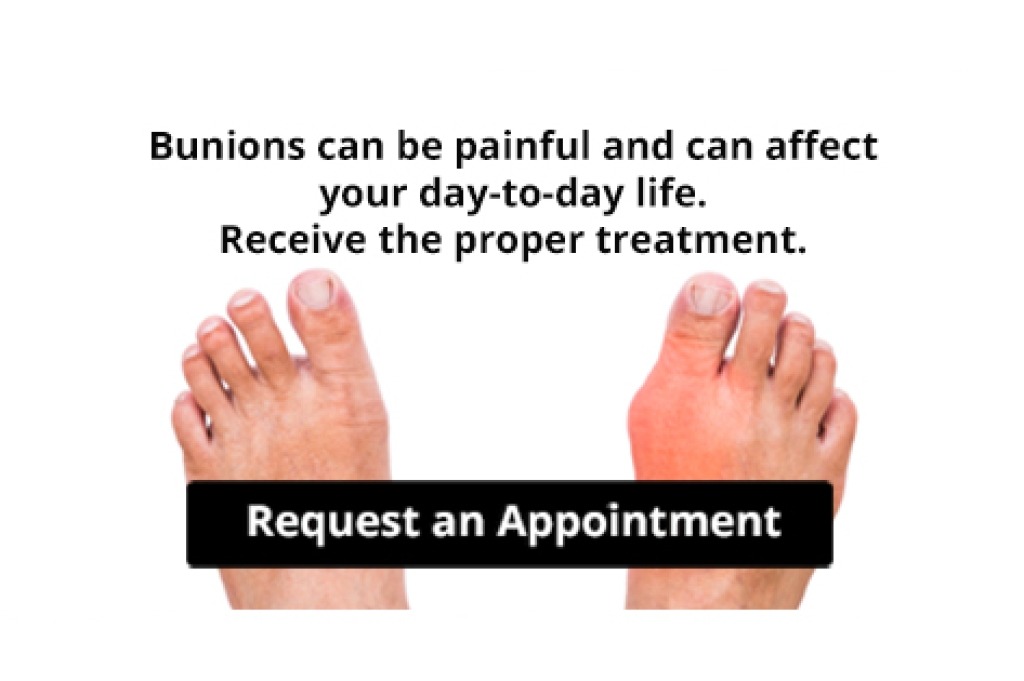
Are Bunions Affecting Your Everyday Life?

Have you noticed a bony protrusion on the side of your big toe? If so, you may have developed the foot condition known as a bunion. Don't let bunions interfere with your daily activities.

Pins and Needles in Your Feet

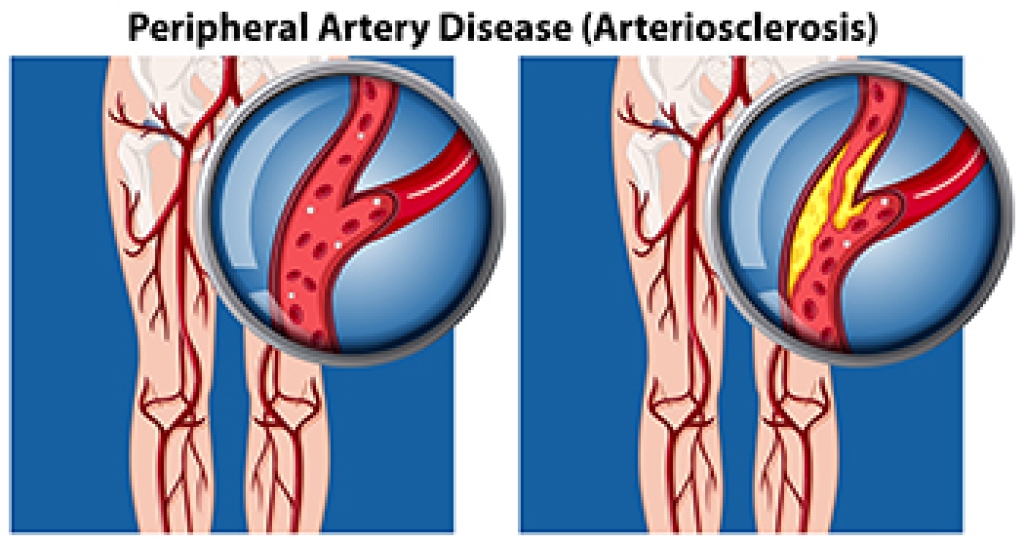
Many people experience the sensation of “pins and needles” in their feet when they cross their legs for too long. Generally, it recedes once the blood flows to the affected area. However, when the occurrence of this sensation becomes more frequent, it can affect your ability to walk or stand safely. This condition, known as paresthesia, may be experienced as tingling, itching and burning, aching pain, or numbness. The cause is likely to be peripheral artery disease (PAD), which is a buildup of plaque in your arteries. The result is poor circulation due to the reduced flow of blood to the feet. Other contributing factors include having diabetes, being overweight, overindulgence in alcohol, and possible vitamin deficiency. Some actions that might help are eating healthy foods, avoiding alcoholic beverages, and taking short walks daily. If you have noticed an increase in the frequency of a pins-and-needles sensation in your feet, it is a good idea to make an appointment with a podiatrist as soon as possible for a complete examination and suggested treatment plan.

Peripheral artery disease can pose a serious risk to your health. It can increase the risk of stroke and heart attack. If you have symptoms of peripheral artery disease, consult with Mark Isenberg, DPM from Center for Podiatric Excellence. Our doctor will assess your condition and provide you with quality foot and ankle treatment.

Peripheral artery disease (PAD) is when arteries are constricted due to plaque (fatty deposits) build-up. This results in less blood flow to the legs and other extremities. The main cause of PAD is atherosclerosis, in which plaque builds up in the arteries.

Symptoms

Symptoms of PAD include:

  • Claudication (leg pain from walking)
  • Numbness in legs
  • Decrease in growth of leg hair and toenails
  • Paleness of the skin
  • Erectile dysfunction
  • Sores and wounds on legs and feet that won’t heal
  • Coldness in one leg

It is important to note that a majority of individuals never show any symptoms of PAD.

Diagnosis

While PAD occurs in the legs and arteries, Podiatrists can diagnose PAD. Podiatrists utilize a test called an ankle-brachial index (ABI). An ABI test compares blood pressure in your arm to you ankle to see if any abnormality occurs. Ultrasound and imaging devices may also be used.

Treatment

Fortunately, lifestyle changes such as maintaining a healthy diet, exercising, managing cholesterol and blood sugar levels, and quitting smoking, can all treat PAD. Medications that prevent clots from occurring can be prescribed. Finally, in some cases, surgery may be recommended.

If you have any questions, please feel free to contact our office located in Pensacola, FL . We offer the newest diagnostic and treatment technologies for all your foot care needs.

Read more about Peripheral Artery Disease

Ways to Treat Your Feet With Care as You Age

Sometimes we tend to take our feet for granted. But as we get older, the need for proper foot care increases, especially as it becomes more difficult to reach the feet and toes. Fortunately, there are a number of ways to give your feet the attention they so well deserve. One way is to soak your feet in Epsom salts for about 10 minutes. Dry them thoroughly, especially between the toes. Next, treat your feet to lotion or cream to keep them from drying out and cracking, as that may lead to sores and infection. Keep the toenails trimmed straight across to avoid the formation of ingrown toenails, which can be painful and possibly become infected. Wear comfortable and stable shoes that have non-slip soles and provide good support. Be sure to examine your toes and feet often and look for any changes to the skin, such as blisters, corns or calluses. Most importantly, if you experience pain in the feet or toes, be sure to make an appointment with a podiatrist for a full examination and possible treatment options.

Proper foot care is something many older adults forget to consider. If you have any concerns about your feet and ankles, contact Mark Isenberg, DPM from Center for Podiatric Excellence. Our doctor can provide the care you need to keep you pain-free and on your feet.

The Elderly and Their Feet

As we age we start to notice many changes in our body, but the elder population may not notice them right away. Medical conditions may prevent the elderly to take notice of their foot health right away. Poor vision is a lead contributor to not taking action for the elderly.

Common Conditions 

  • Neuropathy – can reduce feeling in the feet and can hide many life-threatening medical conditions.
  • Reduced flexibility – prevents the ability of proper toenail trimming, and foot cleaning. If left untreated, it may lead to further medical issues.
  • Foot sores – amongst the older population can be serious before they are discovered. Some of the problematic conditions they may face are:
  • Gouging toenails affecting nearby toe
  • Shoes that don’t fit properly
  • Pressure sores
  • Loss of circulation in legs & feet
  • Edema & swelling of feet and ankles

Susceptible Infections

Diabetes and poor circulation can cause general loss of sensitivity over the years, turning a simple cut into a serious issue.

If you have any questions, please feel free to contact our office located in Pensacola, FL . We offer the newest diagnostic and treatment technologies for all your foot care needs.

Read more about Elderly and their Feet

Connect With Us

Advanced Podiatry Services in the Brent, FL and East Hill, North Hill, Cordova Mall, Estates, Bayou Texar, College Park, Azalea park, Bonair in Pensacola, Florida areas