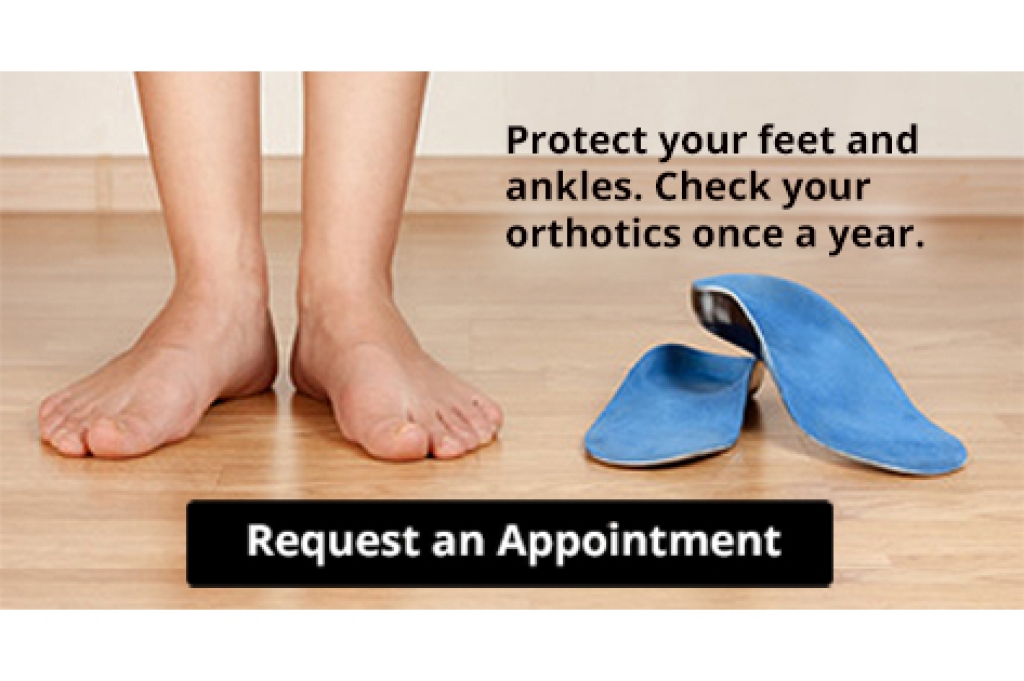
Custom orthotics, or shoe inserts, should be periodically replaced. Orthotics must fit properly to give you the best results. Protect your feet and ankles!
Custom orthotics, or shoe inserts, should be periodically replaced. Orthotics must fit properly to give you the best results. Protect your feet and ankles!
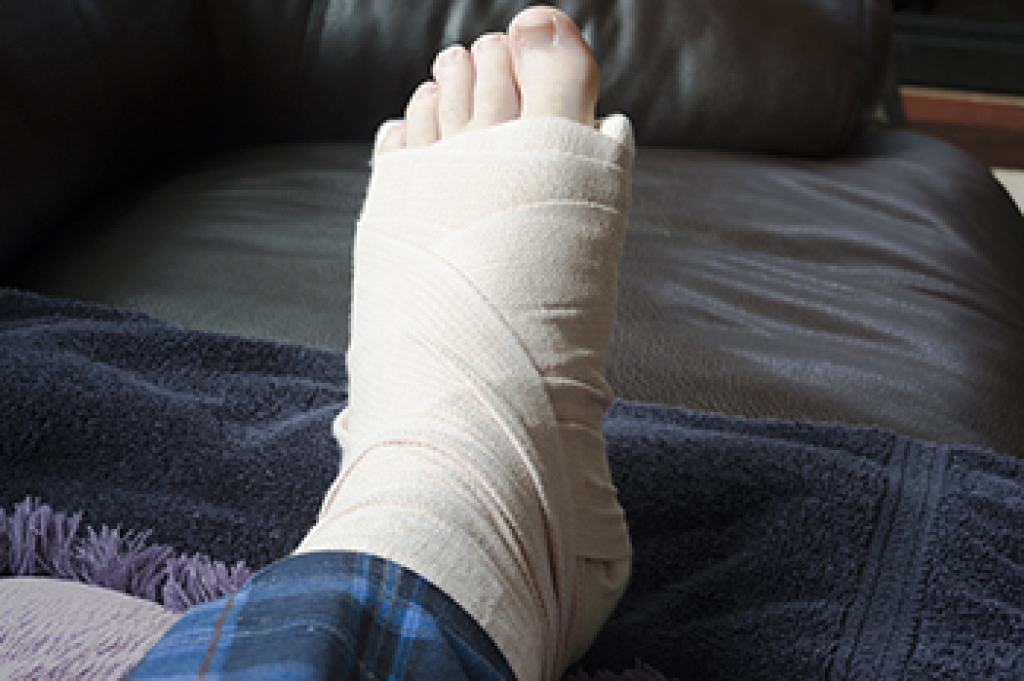
A broken foot can occur from a fall or being hit by an object. Those with osteoporosis, a bone condition often seen in older adults where bones are more likely to be weak or brittle, should be particularly careful of broken bones. Signs of a broken foot are pain, swelling, and deformity. A snap or grinding noise may be heard at the time of injury, and there may be swelling, bruising, or tenderness near the injured area. It will also likely be painful to bear weight on the affected foot. If you suspect a break, elevate the foot, and make an appointment with a podiatrist who can evaluate the injury and determine the correct treatment for you.
A broken foot requires immediate medical attention and treatment. If you need your feet checked, contact Mark Isenberg, DPM from Center for Podiatric Excellence. Our doctor can provide the care you need to keep you pain-free and on your feet.
Broken Foot Causes, Symptoms, and Treatment
A broken foot is caused by one of the bones in the foot typically breaking when bended, crushed, or stretched beyond its natural capabilities. Usually the location of the fracture indicates how the break occurred, whether it was through an object, fall, or any other type of injury.
Common Symptoms of Broken Feet:
Those that suspect they have a broken foot shoot seek urgent medical attention where a medical professional could diagnose the severity.
Treatment for broken bones varies depending on the cause, severity and location. Some will require the use of splints, casts or crutches while others could even involve surgery to repair the broken bones. Personal care includes the use of ice and keeping the foot stabilized and elevated.
If you have any questions, please feel free to contact our office located in Pensacola, FL . We offer the newest diagnostic and treatment technologies for all your foot care needs.
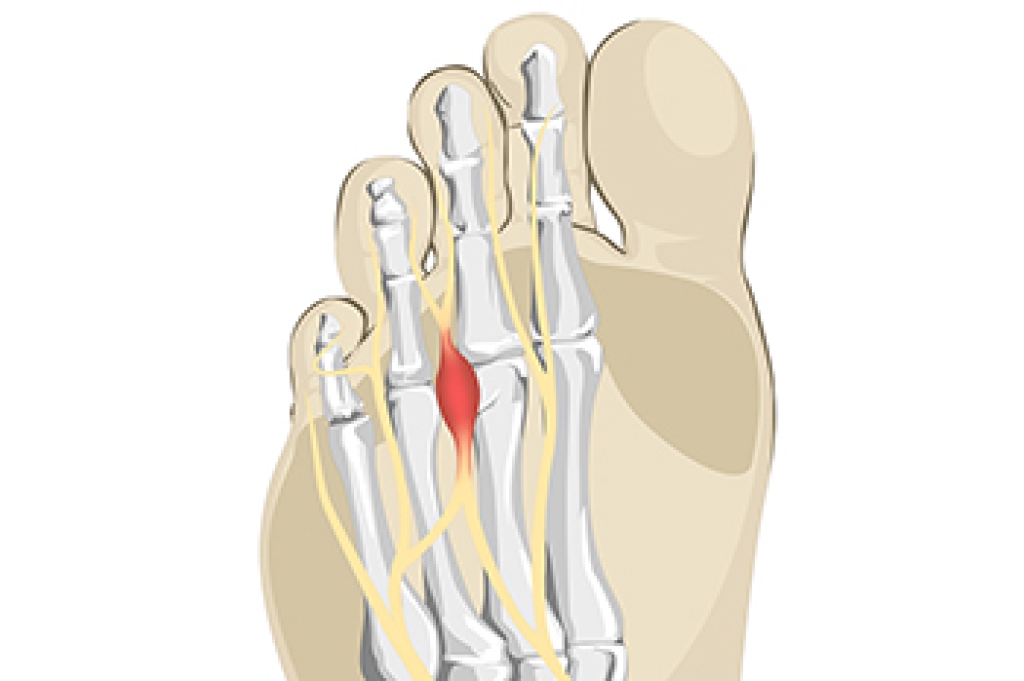
The digital nerve in the feet is defined as the nerve that transports sensations to and from the toes. If this nerve becomes irritated or inflamed, it can cause severe pain and discomfort, often causing difficulty in walking. Morton’s neuroma is a foot condition that affects women more than men, and this can be a result of frequently wearing high heels. These types of shoes generally have limited room for the toes to move freely in, and the digital nerve can become compressed. It is located between the third and fourth toes, and the sensation that is felt can be likened to having a marble in the shoe. Additional symptoms can include a numbing feeling, and pain may occur in the ball of the foot. Relief is often found when high heels are eliminated, and it is suggested to wear shoes that are flat or have a lower heel. If you are afflicted with Morton’s neuroma, please speak to a podiatrist who can guide you toward the correct treatment options, which may include surgery for repair or removal of the nerve.
Morton’s neuroma is a very uncomfortable condition to live with. If you think you have Morton’s neuroma, contact Mark Isenberg, DPM of Center for Podiatric Excellence. Our doctor will attend to all of your foot care needs and answer any of your related questions.
Morton’s Neuroma
Morton's neuroma is a painful foot condition that commonly affects the areas between the second and third or third and fourth toe, although other areas of the foot are also susceptible. Morton’s neuroma is caused by an inflamed nerve in the foot that is being squeezed and aggravated by surrounding bones.
What Increases the Chances of Having Morton’s Neuroma?
Morton’s neuroma is a very treatable condition. Orthotics and shoe inserts can often be used to alleviate the pain on the forefront of the feet. In more severe cases, corticosteroids can also be prescribed. In order to figure out the best treatment for your neuroma, it’s recommended to seek the care of a podiatrist who can diagnose your condition and provide different treatment options.
If you have any questions, please feel free to contact our office located in Pensacola, FL . We offer the newest diagnostic and treatment technologies for all your foot care needs.
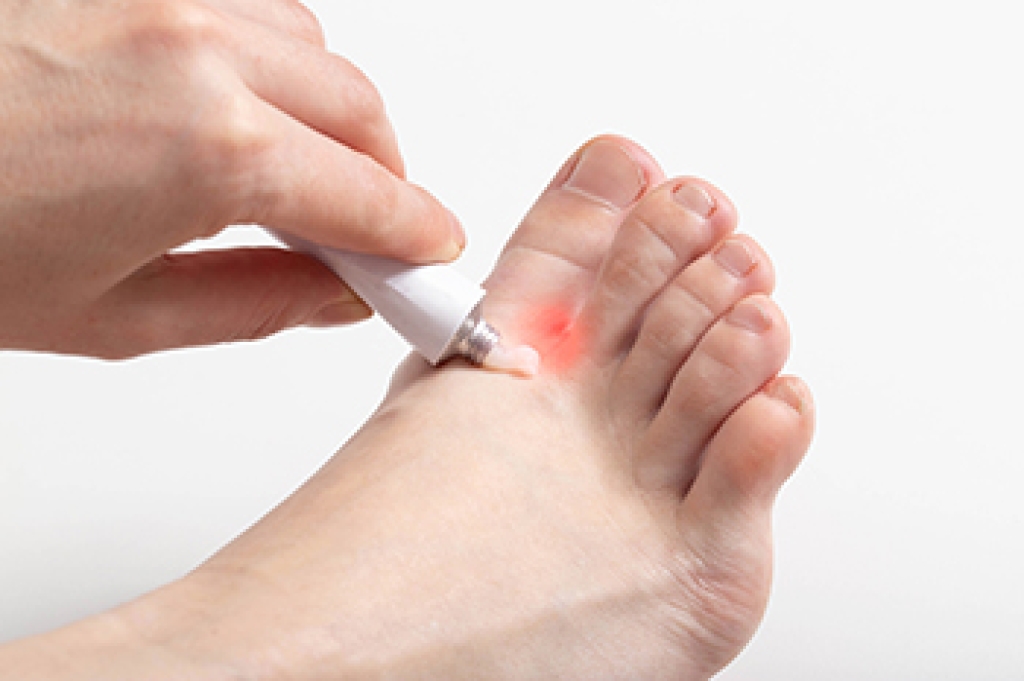
The foot condition known as athlete’s foot was originally named as a result of athletes getting this type of fungal infection. Despite this fact, it is common among the general population and can be quite uncomfortable. The fungus that causes this condition lives in warm environments and enters the body through small cracks in the skin. Public swimming pools, shower room floors, and locker rooms are common areas where this fungus is found. The symptoms that many people experience with this ailment include dry skin that becomes red and inflamed, and in severe cases, blisters may develop between the toes. Proper preventive methods consist of washing the feet, followed by drying them completely. Additionally, it is beneficial to wear appropriate shoes, such as flip-flops or water shoes, while in these types of areas. Many people seek expert medical attention that can provide relief, and it is suggested that you confer with a podiatrist who can prescribe the correct medications for athlete’s foot.
Athlete’s Foot
Athlete’s foot is often an uncomfortable condition to experience. Thankfully, podiatrists specialize in treating athlete’s foot and offer the best treatment options. If you have any questions about athlete’s foot, consult with Mark Isenberg, DPM from Center for Podiatric Excellence. Our doctor will assess your condition and provide you with quality treatment.
What Is Athlete’s Foot?
Tinea pedis, more commonly known as athlete’s foot, is a non-serious and common fungal infection of the foot. Athlete’s foot is contagious and can be contracted by touching someone who has it or infected surfaces. The most common places contaminated by it are public showers, locker rooms, and swimming pools. Once contracted, it grows on feet that are left inside moist, dark, and warm shoes and socks.
Prevention
The most effective ways to prevent athlete’s foot include:
Symptoms
Athlete’s foot initially occurs as a rash between the toes. However, if left undiagnosed, it can spread to the sides and bottom of the feet, toenails, and if touched by hand, the hands themselves. Symptoms include:
Diagnosis and Treatment
Diagnosis is quick and easy. Skin samples will be taken and either viewed under a microscope or sent to a lab for testing. Sometimes, a podiatrist can diagnose it based on simply looking at it. Once confirmed, treatment options include oral and topical antifungal medications.
If you have any questions, please feel free to contact our office located in Pensacola, FL . We offer the newest diagnostic and treatment technologies for all your foot care needs.
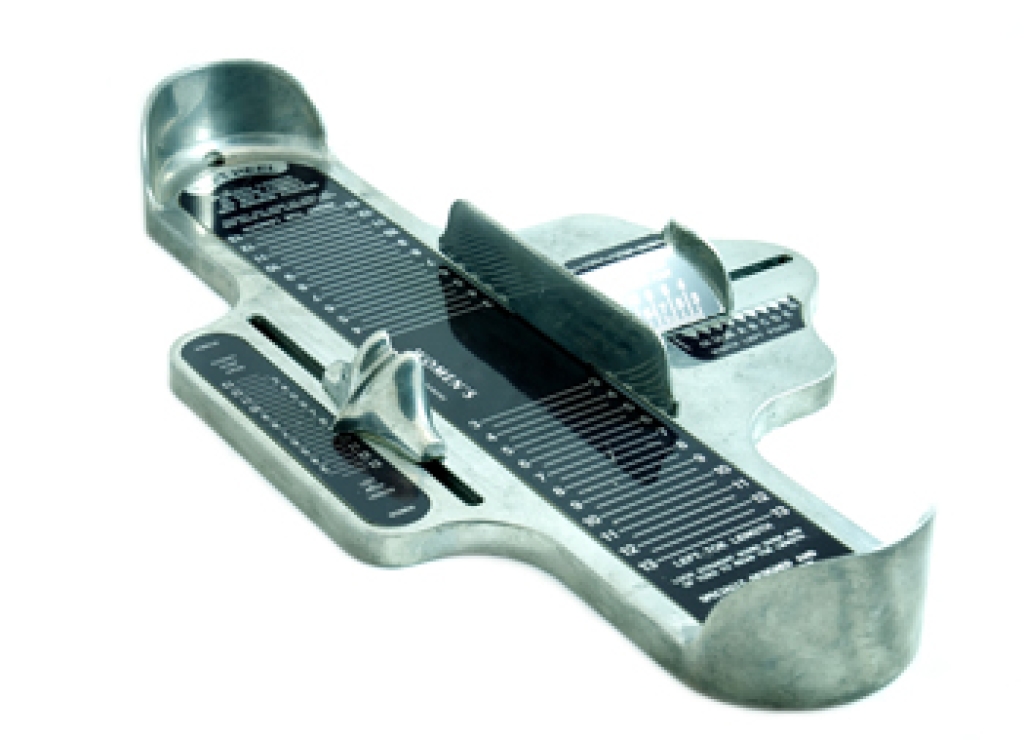
The first place to start when determining the correct shoe size is by measuring your feet. Research has indicated that a large percentage of people worldwide are wearing the wrong shoe size. This often results in developing unwanted foot conditions consisting of corns, calluses, and blisters. To obtain the correct shoe size, it is beneficial to measure your feet at the end of the day when they are at their largest. The majority of shoe stores have a Brannock device which can accurately measure the feet. Conversely, many people choose to measure their feet at home, and this is done by standing on a piece of paper, and tracing the outline of each foot, followed by measuring them. At this point, the measurements can be compared to a size chart, and the correct shoe size can be determined. While in the shoe store, it is beneficial to try on both shoes and walk for a short time in them, which is helpful in ensuring a comfortable fit. If you have questions about how to get your right shoe size, please do not hesitate to consult a podiatrist who can provide you with the information you are seeking.
Getting the right shoe size is an important part of proper foot health. Seek the assistance of Mark Isenberg, DPM from Center for Podiatric Excellence. Our doctor will provide the care you need to keep you pain-free and on your feet.
Getting the Right Shoe Size
There are many people who wear shoes that are the incorrect size, negatively affecting their feet and posture. Selecting the right shoes is not a difficult process, so long as you keep several things in mind when it comes to choosing the right pair.
As our feet hold our body weight and keep us moving, it is important to treat them right. Picking the right pair of shoes can provide your feet comfort and mobility without pain.
If you have any questions, please feel free to contact our office located in Pensacola, FL . We offer the newest diagnostic and treatment technologies for all your foot care needs.
Connect With Us
