Causes and Solutions for Ingrown Toenails

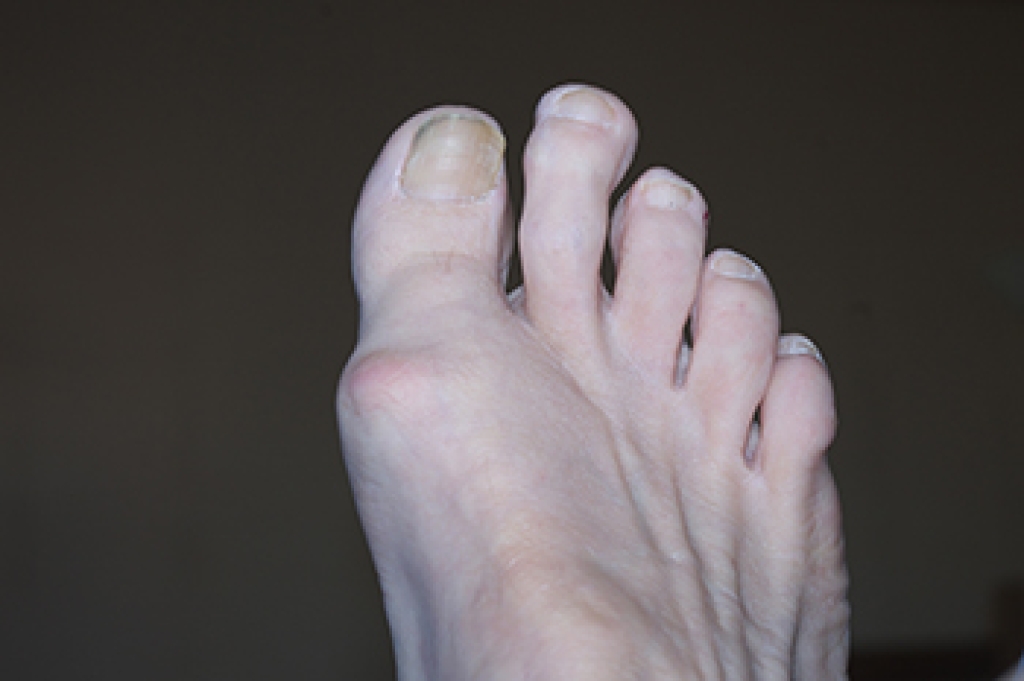
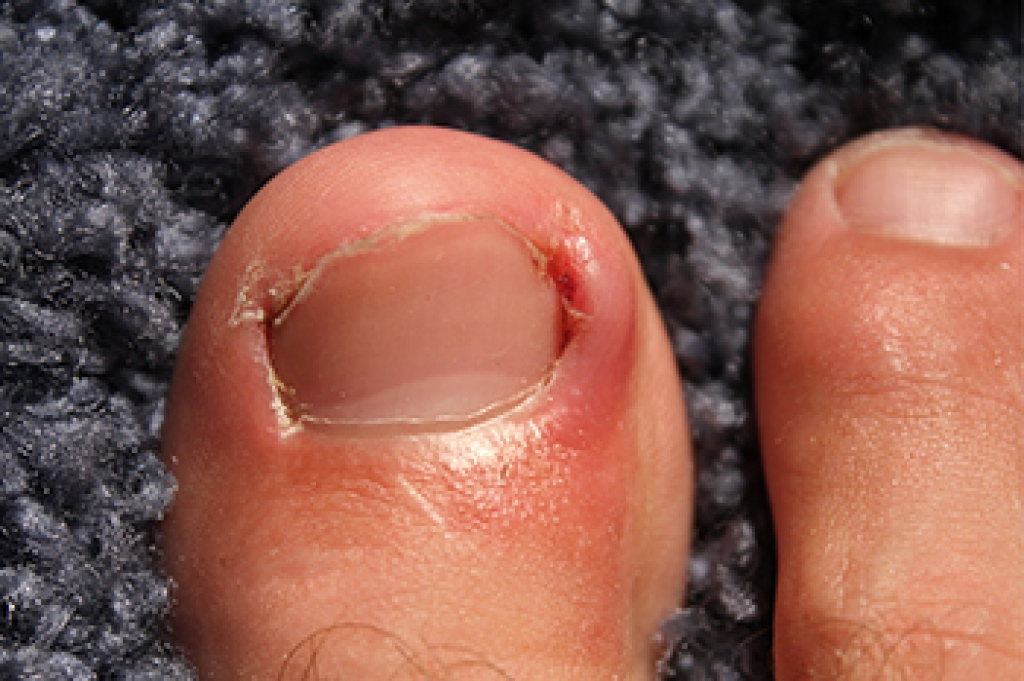
Ingrown toenails, a common and often painful foot condition, can make each step a struggle. An ingrown toenail occurs when the edge of a toenail grows into the surrounding skin, causing inflammation and discomfort. Causes can range from improper nail trimming techniques to wearing tight shoes that exert pressure on the toes. In some cases, a genetic predisposition or an injury can trigger this condition. Soaking the foot in warm water, gently lifting the ingrown edge, and applying antibiotic ointment can aid in healing. Wearing open toed shoes and avoiding tight footwear can also promote recovery. Seeking medical attention for severe cases ensures effective relief, often involving minor surgical procedures to remove the ingrown portion. By addressing the root causes and following appropriate treatment, individuals can bid farewell to ingrown toenail discomfort and regain comfortable strides. If you have developed an ingrown toenail, it is suggested that you seek the counsel of a podiatrist who can guide you toward the correct treatment method.

Ingrown toenails may initially present themselves as a minor discomfort, but they may progress into an infection in the skin without proper treatment. For more information about ingrown toenails, contact Mark Isenberg, DPM of Center for Podiatric Excellence. Our doctor can provide the care you need to keep you pain-free and on your feet.

Ingrown Toenails

Ingrown toenails are caused when the corner or side of a toenail grows into the soft flesh surrounding it. They often result in redness, swelling, pain, and in some cases, infection. This condition typically affects the big toe and may recur if it is not treated properly.

Causes

  • Improper toenail trimming
  • Genetics
  • Improper shoe fitting
  • Injury from pedicures or nail picking
  • Abnormal gait
  • Poor hygiene

You are more likely to develop an ingrown toenail if you are obese, have diabetes, arthritis, or have any fungal infection in your nails. Additionally, people who have foot or toe deformities are at a higher risk of developing an ingrown toenail.

Symptoms

Some symptoms of ingrown toenails are redness, swelling, and pain. In rare cases, there may be a yellowish drainage coming from the nail.

Treatment

Ignoring an ingrown toenail can have serious complications. Infections of the nail border can progress to a deeper soft-tissue infection, which can then turn into a bone infection. You should always speak with your podiatrist if you suspect you have an ingrown toenail, especially if you have diabetes or poor circulation.

If you have any questions, please feel free to contact our office located in Pensacola, FL . We offer the newest diagnostic and treatment technologies for all your foot care needs.

Read more about Ingrown Toenail Care

Stretches for Better Ankle Mobility

Improving ankle mobility is vital for overall flexibility and performance, whether you're an athlete or simply seeking better movement. Strengthening and stretching exercises can prevent injuries, enhance walking posture, and maintain strong knee and hip muscles while alleviating ankle pain. Beneficial exercises include ankle circles, single-leg balances, and toe raises. Ankle circles involve rotating your ankle on a rolled-up towel or foam roller in clockwise and counterclockwise circles. For single-leg balances, stand with feet shoulder-width apart, arms out to the sides, while lifting one foot off the ground. Toe raises require standing on a step on the balls of your feet, rising onto your toes, and lowering the foot below step level. These exercises promote better movement awareness, reduce the risk of ankle sprains, and establish a strong, stable foundation. For personalized guidance, it is suggested that you consult a podiatrist to assess your feet and ankles and receive tailored care.

Ankle pain can have many different causes and the pain may potentially be serious. If you have ankle pain, consult with Mark Isenberg, DPM from Center for Podiatric Excellence. Our doctor will assess your condition and provide you with quality foot and ankle treatment.

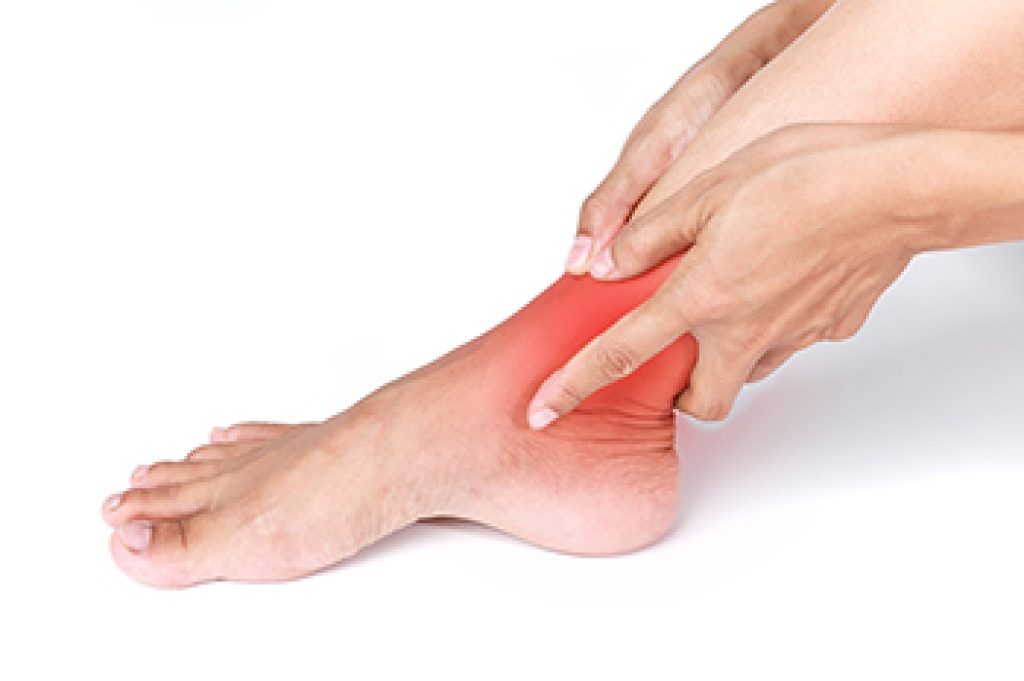
Ankle pain is any condition that causes pain in the ankle. Due to the fact that the ankle consists of tendons, muscles, bones, and ligaments, ankle pain can come from a number of different conditions.

Causes

The most common causes of ankle pain include:

  • Types of arthritis (rheumatoid, osteoarthritis, and gout)
  • Ankle sprains
  • Broken ankles
  • Achilles tendinitis
  • Achilles tendon rupture
  • Stress fractures
  • Tarsal tunnel syndrome
  • Plantar fasciitis

Symptoms

Symptoms of ankle injury vary based upon the condition. Pain may include general pain and discomfort, swelling, aching, redness, bruising, burning or stabbing sensations, and/or loss of sensation.

Diagnosis

Due to the wide variety of potential causes of ankle pain, podiatrists will utilize a number of different methods to properly diagnose ankle pain. This can include asking for personal and family medical histories and of any recent injuries. Further diagnosis may include sensation tests, a physical examination, and potentially x-rays or other imaging tests.

Treatment

Just as the range of causes varies widely, so do treatments. Some more common treatments are rest, ice packs, keeping pressure off the foot, orthotics and braces, medication for inflammation and pain, and surgery.

If you have any questions please feel free to contact our office located in Pensacola, FL . We offer the newest diagnostic tools and technology to treat your foot and ankle needs.

Read more about Ankle Pain

Simple Tips for Happy Feet

Your feet not only leave a lasting impression but also reveal a lot about your hygiene. They can speak volumes about your foot health, including pain and fungal issues. To avoid these problems, prioritize foot care with these simple tips. First and foremost, maintain foot hygiene by thoroughly cleaning your feet, especially the toenails and between the toes, to prevent infections and pain. Incorporate foot soaks into your routine, using Epsom salt in warm water once or twice a week to soothe your feet. After soaking, moisturize to prevent dryness and cracks. Additionally, always wear appropriate and well-fitting footwear with proper soles for adequate arch support. Avoid excessive use of high heels, which can contribute to foot pain. Rotate your shoes regularly to allow them to air out and avoid fungal growth from sweat buildup. By adopting these daily habits, you'll promote foot health and overall well-being. If you find that you are experiencing foot problems that do not respond to rest, it is suggested that you make an appointment with a podiatrist.

Everyday foot care is very important to prevent infection and other foot ailments. If you need your feet checked, contact Mark Isenberg, DPM from Center for Podiatric Excellence. Our doctor can provide the care you need to keep you pain-free and on your feet.

Everyday Foot Care

Often, people take care of their bodies, face and hair more so than they do for their feet. But the feet are a very important aspect of our bodies, and one that we should pay more attention to. Without our feet, we would not be able to perform most daily tasks.

It is best to check your feet regularly to make sure there are no new bruises or cuts that you may not have noticed before. For dry feet, moisturizer can easily be a remedy and can be applied as often as necessary to the affected areas. Wearing shoes that fit well can also help you maintain good foot health, as well as making it easier to walk and do daily activities without the stress or pain of ill-fitting shoes, high heels, or even flip flops. Wearing clean socks with closed shoes is important to ensure that sweat and bacteria do not accumulate within the shoe. Clean socks help to prevent Athlete’s foot, fungi problems, bad odors, and can absorb sweat.

If you have any questions, please feel free to contact our office located in Pensacola, FL . We offer the newest diagnostic and treatment technologies for all your foot care needs.

Read more about Every Day Foot Care

The Impact of Psoriatic Arthritis on the Feet and Ankles

Psoriatic arthritis, or PsA, is a type of inflammatory arthritis that can manifest in individuals with the autoimmune skin condition psoriasis. This form of arthritis primarily affects the feet and ankles, bringing about inflammation and pain in the joints and supporting structures. PsA is frequently associated with various other foot conditions, including Achilles tendonitis, dactylitis, and plantar fasciitis. Achilles tendonitis is characterized by a painful inflammation of the tendon connecting the calf muscles to the heel where it attaches to the heel bone. Dactylitis involves severe inflammation around the toe joints, leading to swelling that gives the toes a sausage-like appearance and induces rigidity and pain when flexing. Plantar fasciitis refers to inflammation where the plantar fascia attaches to the heel bone, causing discomfort and hindrance in movement. As PsA progresses, it can significantly impede walking and performing daily activities, imposing substantial discomfort and limiting one's ability to engage in regular life pursuits. A cure for PsA does not exist yet, but various treatment options are available to manage the condition, slow its progression, and alleviate the associated symptoms. If you suspect or experience symptoms indicative of psoriatic arthritis, it is strongly suggested that you seek help from a qualified podiatrist for a proper diagnosis and personalized treatment.

Arthritis can be a difficult condition to live with. If you are seeking treatment, contact Mark Isenberg, DPM from Center for Podiatric Excellence. Our doctor can provide the care you need to keep you pain-free and on your feet.

Arthritic Foot Care  

Arthritis is a term that is commonly used to describe joint pain.  The condition itself can occur to anyone of any age, race, or gender, and there are over 100 types of it.  Nevertheless, arthritis is more commonly found in women compared to men, and it is also more prevalent in those who are overweight. The causes of arthritis vary depending on which type of arthritis you have. Osteoarthritis for example, is often caused by injury, while rheumatoid arthritis is caused by a misdirected immune system.

Symptoms

  • Swelling
  • Pain
  • Stiffness
  • Decreased Range of Motion

Arthritic symptoms range in severity, and they may come and go. Some symptoms stay the same for several years but could potentially get worse with time. Severe cases of arthritis can prevent its sufferers from performing daily activities and make walking difficult.

Risk Factors

  • Occupation – Occupations requiring repetitive knee movements have been linked to osteoarthritis
  • Obesity – Excess weight can contribute to osteoarthritis development
  • Infection – Microbial agents can infect the joints and trigger arthritis
  • Joint Injuries – Damage to joints may lead to osteoarthritis
  • Age – Risk increases with age
  • Gender –Most types are more common in women
  • Genetics – Arthritis can be hereditary

If you suspect your arthritis is affecting your feet, it is crucial that you see a podiatrist immediately. Your doctor will be able to address your specific case and help you decide which treatment method is best for you.

If you have any questions please feel free to contact our office located in Pensacola, FL . We offer the newest diagnostic tools and technology to treat your foot and ankle needs.

Read more about How to Care for Your Arthritic Foot

Effects of Morton’s Toe

Anyone with a second toe longer than the big toe has a condition known as Morton’s toe. This abnormality is generally the result of a congenital condition or a genetic disposition. Girls are more likely to have a Morton’s toe than boys. Morton’s toe is a misnomer, as the problem in bone structure is not in the toe, but in the first metatarsal beneath the big toe. This condition brings with it a host of foot problems, the most important of which is overpronation. This, in turn, can cause further problems with the feet, such as pain in the ball of the foot, Morton’s neuroma, and stress fractures in the metatarsals. Morton’s toe may also be responsible for weak ankles, shin splints, or tight calf muscles. An orthotic device that offers arch support and a metatarsal pad can help to relieve the cascading effects of Morton’s toe as it keeps the foot aligned. A change in footwear to shoes with a wide and roomy toe box also can relieve some discomfort. A surgical remedy is considered to be a last resort. For help with problems associated with Morton’s toe, it is suggested that you make an appointment with a podiatrist.

If you have any concerns about your feet, contact Mark Isenberg, DPM from Center for Podiatric Excellence. Our doctor can provide the care you need to keep you pain-free and on your feet.

Biomechanics in Podiatry

Podiatric biomechanics is a particular sector of specialty podiatry with licensed practitioners who are trained to diagnose and treat conditions affecting the foot, ankle and lower leg. Biomechanics deals with the forces that act against the body, causing an interference with the biological structures. It focuses on the movement of the ankle, the foot and the forces that interact with them.

A History of Biomechanics

  • Biomechanics dates back to the BC era in Egypt where evidence of professional foot care has been recorded.
  • In 1974, biomechanics gained a higher profile from the studies of Merton Root, who claimed that by changing or controlling the forces between the ankle and the foot, corrections or conditions could be implemented to gain strength and coordination in the area.

Modern technological improvements are based on past theories and therapeutic processes that provide a better understanding of podiatric concepts for biomechanics. Computers can provide accurate information about the forces and patterns of the feet and lower legs.

Understanding biomechanics of the feet can help improve and eliminate pain, stopping further stress to the foot.

If you have any questions please feel free to contact our office located in Pensacola, FL . We offer the newest diagnostic and treatment technologies for all your foot and ankle needs.

Read more about Biomechanics in Podiatry

Connect With Us

Advanced Podiatry Services in the Brent, FL and East Hill, North Hill, Cordova Mall, Estates, Bayou Texar, College Park, Azalea park, Bonair in Pensacola, Florida areas