Heel Pain in Your Child

Heel pain in children can be concerning for parents, especially when it interrupts their child's active lifestyle. One common cause of heel pain is Sever's disease, also known as calcaneal apophysitis. Typically affecting children aged eight to 12 during periods of rapid growth, Sever's disease is characterized by pain or tenderness in one or both heels, often worsened by physical activity. Symptoms may include mild swelling surrounding the heel bone and limping, especially after exercise. The underlying cause lies in growth spurts where bones, muscles, and tendons grow and change quickly. This makes the growth plate in the heel more susceptible to injury. The Achilles tendon, in particular, can become tight as the bones in the lower leg grow, adding stress to the heel’s growth plate. Activities like running and jumping, especially when combined with wearing sports shoes with studs, can increase the risk. While Sever's disease does not typically lead to long-term problems, it is important to manage the symptoms to prevent disruption in daily activities. Encouraging rest and avoiding activities that cause pain can help alleviate symptoms. If your child exhibits or complains of heel pain, it is suggested that you schedule an appointment with a podiatrist for an exam and treatment.

Sever's disease often occurs in children and teens. If your child is experiencing foot or ankle pain, see Mark Isenberg, DPM from Center for Podiatric Excellence. Our doctor can treat your child’s foot and ankle needs.

Sever’s Disease

Sever’s disease is also known as calcaneal apophysitis, which is a medical condition that causes heel pain I none or both feet. The disease is known to affect children between the ages of 8 and 14.

Sever’s disease occurs when part of the child’s heel known as the growth plate (calcaneal epiphysis) is attached to the Achilles tendon. This area can suffer injury when the muscles and tendons of the growing foot do not keep pace with bone growth. Therefore, the constant pain which one experiences at the back of the heel will make the child unable to put any weight on the heel. The child is then forced to walk on their toes.

Symptoms

Acute pain – Pain associated with Sever’s disease is usually felt in the heel when the child engages in physical activity such as walking, jumping and or running.

Highly active – Children who are very active are among the most susceptible in experiencing Sever’s disease, because of the stress and tension placed on their feet.

If you have any questions, please feel free to contact our office located in Pensacola, FL . We offer the newest diagnostic and treatment technologies for all your foot care needs.
Read more about Sever's Disease

Pretty Feet for Summer

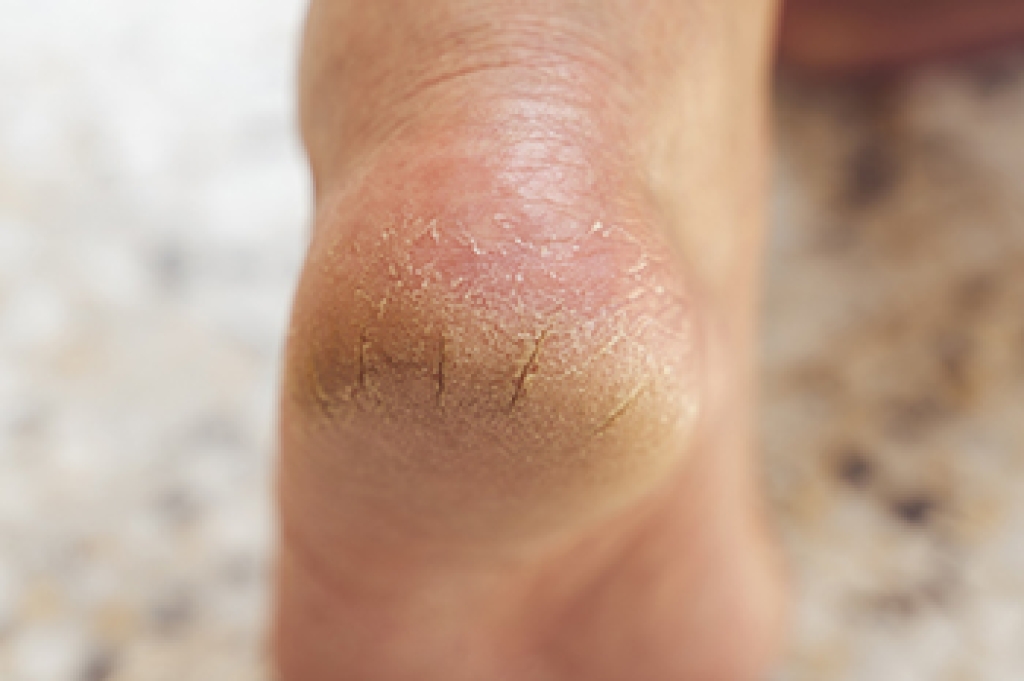
Dry, cracked heels can be an uncomfortable and unsightly problem, particularly in sandal and open-heel season. This condition occurs when the skin on the heels becomes excessively dry, often due to factors like prolonged standing, wearing open-backed shoes, or insufficient moisture. More severe causes can include medical conditions such as diabetes or thyroid problems. Dry, cracked heels feel rough, and the skin may become thickened or develop painful fissures. To treat and prevent this issue, start by moisturizing your feet daily with a rich, emollient cream, focusing on the heel area. Exfoliate regularly with a pumice stone to remove dead skin. Soaking your feet in warm water with Epsom salts can also help soften the skin. Wearing supportive, closed-back shoes and using heel balms can prevent cracks from worsening. If you have a persistent case of cracked heels, it is suggested that you visit a podiatrist for treatment and tips on how to keep your feet looking their best.

If the skin on your feet starts to crack, you may want to see a podiatrist to find treatment. If you have any concerns, contact Mark Isenberg, DPM from Center for Podiatric Excellence. Our doctor can provide the care you need to keep you pain-free and on your feet.

Cracked Heels

It is important to moisturize your cracked heels in order to prevent pain, bleeding, and infection. The reason cracked heels form is because the skin on the foot is too dry to support the immense pressure placed on them. When the foot expands, the dry skin on the foot begins to split.

Ways to Help Heal Them

  • Invest in a good foot cream
  • Try Using Petroleum Jelly
  • Ease up on Soaps
  • Drink Plenty of Water

Ways to Prevent Cracked Heels

  • Moisturize After Showering
  • Skip a Shower
  • Keep Shower Water Lukewarm
  • Don’t Scrub Your Feet

If you are unsure how to proceed in treating cracked heels, seek guidance from a podiatrist. Your doctor will help you with any questions or information you may need. 

If you have any questions, please feel free to contact our office located in Pensacola, FL . We offer the newest diagnostic and treatment technologies for all your foot care needs.

Read more about Solutions for Cracked Heels

Heel Pain Can Be Treated!

Do you suffer from heel pain when you get up in the morning? If so, you should seek professional help and have a proper diagnosis performed. Heel pain can be caused by several different foot-related conditions.

Treatment for Broken Ankles

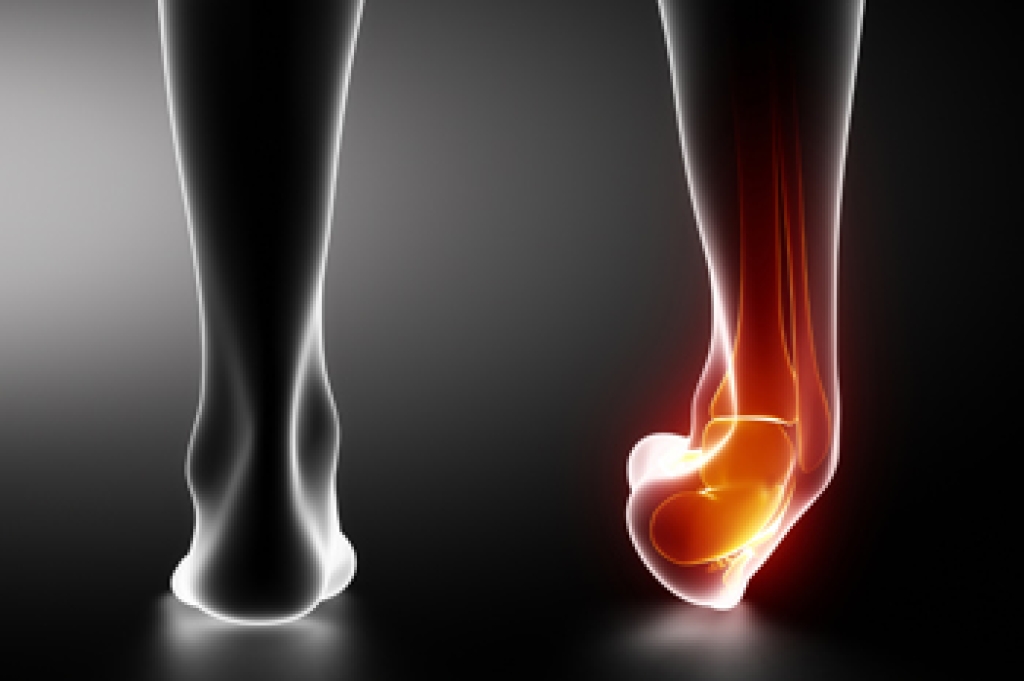
Broken ankles, or ankle fractures, occur when one or more bones in the ankle joint break due to trauma. This injury can result from falls, sports activities, car accidents, or any situation where the ankle twists or experiences a heavy impact. Symptoms can include severe pain, swelling, bruising, and an inability to bear weight on the affected foot. Treatment depends on the severity of the fracture. Minor fractures may only require immobilization with a cast or brace to allow the bones to heal naturally. More severe fractures, where bones are displaced, might need surgical intervention to realign and stabilize the bones with pins, plates, or screws. Rehabilitation focuses on restoring strength, flexibility, and function through exercises. These exercises might include range-of-motion activities, balance training, and gradual weight-bearing exercises. Prompt and effective treatment is important for optimal recovery. If you suspect a broken ankle, it is suggested that you visit a podiatrist for a proper diagnosis and a tailored treatment plan. 

Broken ankles need immediate treatment. If you are seeking treatment, contact Mark Isenberg, DPM from Center for Podiatric Excellence. Our doctor can provide the care you need to keep you pain-free and on your feet. 

Broken Ankles
A broken ankle is experienced when a person fractures their tibia or fibula in the lower leg and ankle area. Both of these bones are attached at the bottom of the leg and combine to form what we know to be our ankle.

When a physician is referring to a break of the ankle, he or she is usually referring to a break in the area where the tibia and fibula are joined to create our ankle joint. Ankles are more prone to fractures because the ankle is an area that suffers a lot of pressure and stress. There are some obvious signs when a person experiences a fractured ankle, and the following symptoms may be present.

Symptoms of a Fractured Ankle

  • Excessive pain when the area is touched or when any pressure is placed on the ankle
  • Swelling around the area
  • Bruising of the area
  • Area appears to be deformed

If you suspect an ankle fracture, it is recommended to seek treatment as soon as possible. The sooner you have your podiatrist diagnose the fracture, the quicker you’ll be on the way towards recovery.

If you have any questions, please feel free to contact our office located in Pensacola, FL . We offer the newest diagnostic and treatment technologies for all your foot care needs.

Read more about All About Broken Ankle

How Seniors Can Prevent Falls in the Home

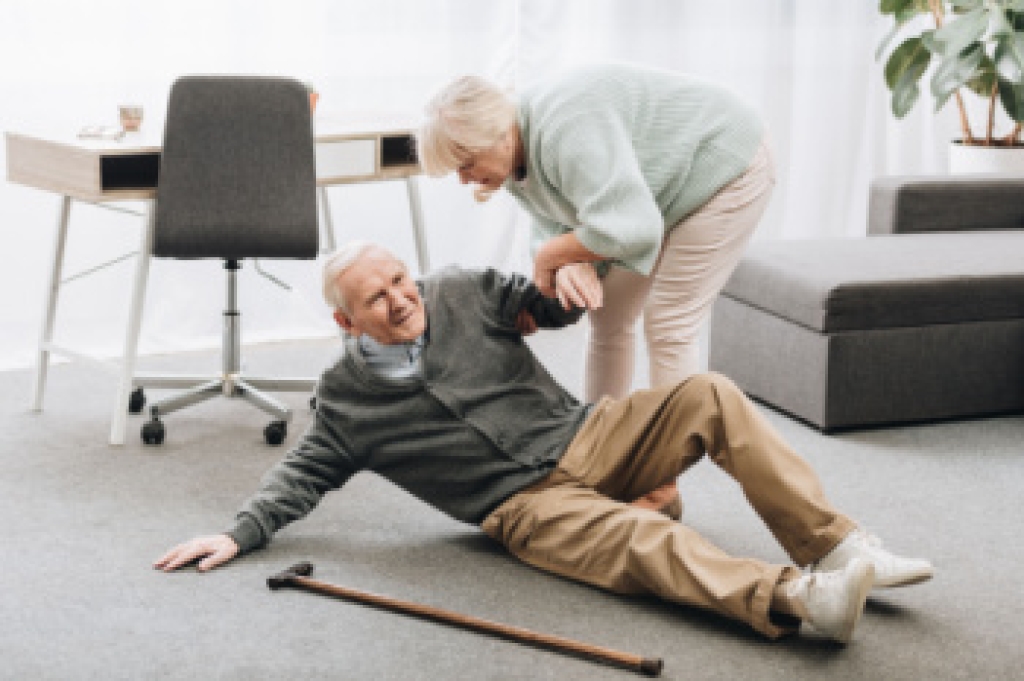
For seniors, falls can pose significant risks to health and independence, and can seriously impact the feet, necessitating the need to make fall prevention techniques in the home important. Start by ensuring adequate lighting throughout the house, especially in hallways, staircases, and bathrooms, to enhance visibility and reduce tripping hazards. Remove clutter and secure loose rugs or carpets to prevent slips and falls. Install grab bars in bathrooms and near toilets and showers to provide stability and support. Additionally, consider adding non-slip mats or adhesive strips to bathtub and shower floors. Keep commonly used items within easy reach to avoid overreaching or straining. Regular exercise to improve strength, balance, and flexibility can also reduce the risk of falls. Ensure that footwear fits well and provides proper support and traction. Regularly review medications with a healthcare provider to identify potential side effects that may increase fall risk. If falling has happened and foot conditions have arisen, it is suggested that you consult a podiatrist who can offer you effective treatment and additional prevention methods.

Preventing falls among the elderly is very important. If you are older and have fallen or fear that you are prone to falling, consult with Mark Isenberg, DPM from Center for Podiatric Excellence. Our doctor will assess your condition and provide you with quality advice and care.

Every 11 seconds, an elderly American is being treated in an emergency room for a fall related injury. Falls are the leading cause of head and hip injuries for those 65 and older. Due to decreases in strength, balance, senses, and lack of awareness, elderly persons are very susceptible to falling. Thankfully, there are a number of things older persons can do to prevent falls.

How to Prevent Falls

Some effective methods that older persons can do to prevent falls include:

  • Enrolling in strength and balance exercise program to increase balance and strength
  • Periodically having your sight and hearing checked
  • Discuss any medications you have with a doctor to see if it increases the risk of falling
  • Clearing the house of falling hazards and installing devices like grab bars and railings
  • Utilizing a walker or cane
  • Wearing shoes that provide good support and cushioning
  • Talking to family members about falling and increasing awareness

Falling can be a traumatic and embarrassing experience for elderly persons; this can make them less willing to leave the house, and less willing to talk to someone about their fears of falling. Doing such things, however, will increase the likelihood of tripping or losing one’s balance. Knowing the causes of falling and how to prevent them is the best way to mitigate the risk of serious injury.  

If you have any questions, please feel free to contact our office located in Pensacola, FL . We offer the newest diagnostic and treatment technologies for all your foot care needs.

Read more about Falls Prevention

Connect With Us

Advanced Podiatry Services in the Brent, FL and East Hill, North Hill, Cordova Mall, Estates, Bayou Texar, College Park, Azalea park, Bonair in Pensacola, Florida areas