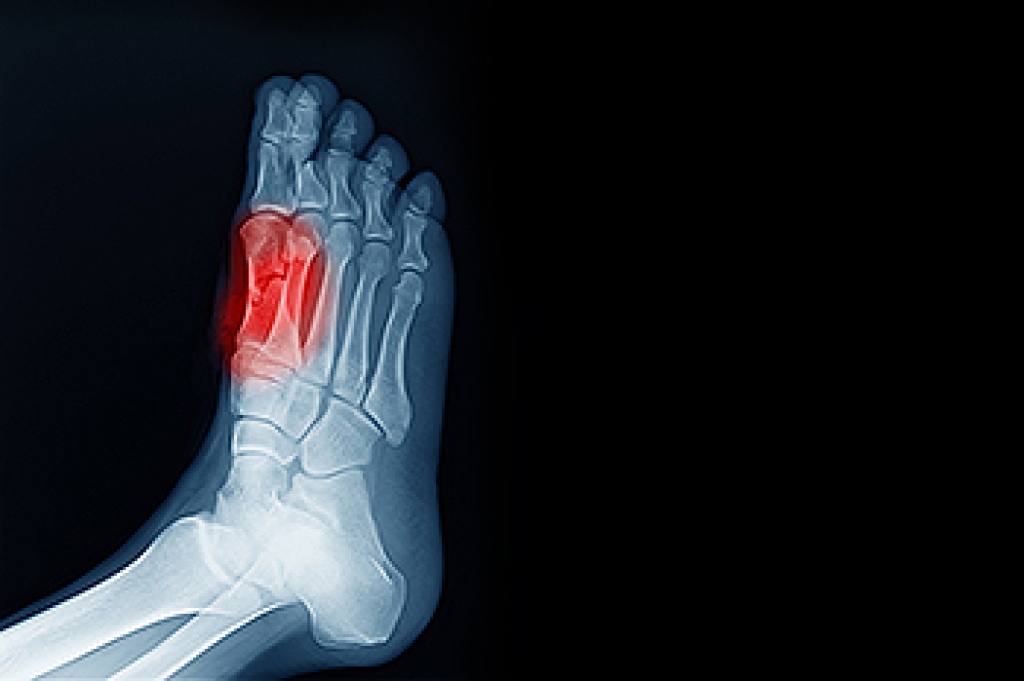
Rheumatoid Arthritis and Its Impact on the Ankles

Rheumatoid arthritis is an autoimmune condition in which the immune system mistakenly attacks the lining of the joints. It often affects the smaller toe joints first, leading to tenderness, swelling, and stiffness that can gradually spread to the ankles. As inflammation progresses, the joints may weaken and become painful during daily activities. Causes include an overactive immune response and risk factors include family history, age, and smoking. When rheumatoid arthritis involves the feet and ankles, walking and balance can become difficult. A podiatrist can help by providing custom orthotics, footwear guidance, and supportive treatments that ease pressure and improve joint function. If your ankles are stiff or swollen, it is suggested that you consult a podiatrist who can offer you relief solutions, helping you to manage this condition.

Because RA affects more than just your joints, including the joints in your feet and ankles, it is important to seek early diagnosis from your podiatrist if you feel like the pain in your feet might be caused by RA. For more information, contact Mark Isenberg, DPM of Center for Podiatric Excellence. Our doctor will assist you with all of your podiatric concerns.

What Is Rheumatoid Arthritis?

Rheumatoid Arthritis (RA) is an autoimmune disorder in which the body’s own immune system attacks the membranes surrounding the joints. Inflammation of the lining and eventually the destruction of the joint’s cartilage and bone occur, causing severe pain and immobility.

Rheumatoid Arthritis of the Feet

Although RA usually attacks multiple bones and joints throughout the entire body, almost 90 percent of cases result in pain in the foot or ankle area.

Symptoms

  • Swelling and pain in the feet
  • Stiffness in the feet
  • Pain on the ball or sole of feet
  • Joint shift and deformation

Diagnosis

Quick diagnosis of RA in the feet is important so that the podiatrist can treat the area effectively. Your doctor will ask you about your medical history, occupation, and lifestyle to determine the origin of the condition. Rheumatoid Factor tests help to determine if someone is affected by the disease.

If you have any questions, please feel free to contact our office located in Pensacola, FL . We offer the newest diagnostic and treatment technologies for all your foot care needs.

Read more about Rheumatoid Arthritis in the Feet

An Achilles Tendon Injury Can Cause Severe Pain

The Achilles tendon is located at the back of the leg near the heel and plays a vital role in foot movement by connecting the calf muscles to the heel bone. It enables pushing off the ground while walking or running. The two most common Achilles tendon injuries affecting this tendon are acute rupture and Achilles tendinopathy. An acute rupture involves a partial or complete tear, usually caused by sudden forceful movement, often during sports. It typically results in a popping sound, sharp pain in the calf, swelling, and difficulty walking. Achilles tendinopathy is a chronic condition caused by repetitive stress. Over time, small tears form in the tendon, leading to stiffness, pain with use, and a gradual decline in function. Over-training or increasing speed and distance too quickly can contribute to either condition. Treatment may involve surgery or wearing a boot to stabilize the foot. If you have an Achilles tendon injury, it is strongly suggested that you see a podiatrist who can help you with this condition.

Achilles tendon injuries need immediate attention to avoid future complications. If you have any concerns, contact Mark Isenberg, DPM of Center for Podiatric Excellence. Our doctor can provide the care you need to keep you pain-free and on your feet.

What Is the Achilles Tendon?

The Achilles tendon is a tendon that connects the lower leg muscles and calf to the heel of the foot. It is the strongest tendon in the human body and is essential for making movement possible. Because this tendon is such an integral part of the body, any injuries to it can create immense difficulties and should immediately be presented to a doctor.

What Are the Symptoms of an Achilles Tendon Injury?

There are various types of injuries that can affect the Achilles tendon. The two most common injuries are Achilles tendinitis and ruptures of the tendon.

Achilles Tendinitis Symptoms

  • Inflammation
  • Dull to severe pain
  • Increased blood flow to the tendon
  • Thickening of the tendon

Rupture Symptoms

  • Extreme pain and swelling in the foot
  • Total immobility

Treatment and Prevention

Achilles tendon injuries are diagnosed by a thorough physical evaluation, which can include an MRI. Treatment involves rest, physical therapy, and in some cases, surgery. However, various preventative measures can be taken to avoid these injuries, such as:

  • Thorough stretching of the tendon before and after exercise
  • Strengthening exercises like calf raises, squats, leg curls, leg extensions, leg raises, lunges, and leg presses

If you have any questions please feel free to contact our office located in Pensacola, FL . We offer the newest diagnostic tools and technology to treat your foot and ankle needs.

Read more about What are Achilles Tendon Injuries

How Blisters Form on the Feet

Blisters on the feet develop when repeated friction or pressure causes the outer layer of skin to separate from the underlying layers, allowing fluid to collect in the space between. This clear fluid cushions the damaged tissue and protects it as it heals. Wearing shoes that are too tight or lack adequate support can cause blisters on the toes, heels, or sides of the feet. Excess moisture, long-distance walking, and high-friction activities can also contribute. Sometimes, blisters form due to burns, allergic reactions, or infections that affect the skin on the feet. A podiatrist can evaluate the cause, drain painful or infected blisters under sterile conditions, and recommend protective footwear or custom padding to prevent recurrence. If you have a painful or infected blister on your foot, it is suggested that you promptly schedule an appointment with a podiatrist for a diagnosis and safe treatment options.

Blisters may appear as a single bubble or in a cluster. They can cause a lot of pain and may be filled with pus, blood, or watery serum. If your feet are hurting, contact Mark Isenberg, DPM of Center for Podiatric Excellence. Our doctor can provide the care you need to keep you pain-free and on your feet.

Foot Blisters

Foot blisters are often the result of friction. This happens due to the constant rubbing from shoes, which can lead to pain.

What Are Foot Blisters?

A foot blister is a small fluid-filled pocket that forms on the upper-most layer of the skin. Blisters are filled with clear fluid and can lead to blood drainage or pus if the area becomes infected.

Symptoms

(Blister symptoms may vary depending on what is causing them)

  • Bubble of skin filled with fluid
  • Redness
  • Moderate to severe pain
  • Itching

Prevention & Treatment

In order to prevent blisters, you should be sure to wear comfortable shoes with socks that cushion your feet and absorb sweat. Breaking a blister open may increase your chances of developing an infection. However, if your blister breaks, you should wash the area with soap and water immediately and then apply a bandage to the affected area. If your blisters cause severe pain it is important that you call your podiatrist right away.

If you have any questions, please feel free to contact our office located in Pensacola, FL . We offer the newest diagnostic and treatment technologies for all your foot care needs.

Read more about Blisters

Wounds That Don't Heal Need to Be Checked

Your feet are covered most of the day. If you're diabetic, periodic screening is important for good health. Numbness is often a sign of diabetic foot and can mask a sore or wound.

Symptoms and Risks of Gout

Gout is a painful condition that frequently affects the feet, especially the big toe joint, where sharp uric acid crystals can form and irritate the joint. This buildup leads to sudden flares of intense pain, swelling, redness, and warmth that make standing or walking very difficult. Flares can last for days or weeks and tend to return over time, sometimes spreading to the ankle or other joints in the foot. If untreated, repeated attacks can cause lasting damage and lead to the formation of tophi, which are hard lumps under the skin that restrict movement and deform the joint. Risk factors that raise the chance of developing gout include obesity, use of diuretics, diets high in red meat, shellfish, or sugary drinks, in addition to chronic conditions like high blood pressure, diabetes, or poor kidney function. A podiatrist can diagnose gout in the feet and provide treatment to reduce pain and protect joint health. If you have symptoms of gout, it is suggested that you schedule an appointment with a podiatrist for effective relief and prevention tips.

Gout is a foot condition that requires certain treatment and care. If you are seeking treatment, contact Mark Isenberg, DPM from Center for Podiatric Excellence. Our doctor will treat your foot and ankle needs.

What Is Gout?

Gout is a type of arthritis caused by a buildup of uric acid in the bloodstream. It often develops in the foot, especially the big toe area, although it can manifest in other parts of the body as well. Gout can make walking and standing very painful and is especially common in diabetics and the obese.

People typically get gout because of a poor diet. Genetic predisposition is also a factor. The children of parents who have had gout frequently have a chance of developing it themselves.

Gout can easily be identified by redness and inflammation of the big toe and the surrounding areas of the foot. Other symptoms include extreme fatigue, joint pain, and running high fevers. Sometimes corticosteroid drugs can be prescribed to treat gout, but the best way to combat this disease is to get more exercise and eat a better diet.

If you have any questions, please feel free to contact our office located in Pensacola, FL . We offer the newest diagnostic and treatment technologies for all your foot care needs.

Read more about Gout

Connect With Us

Advanced Podiatry Services in the Brent, FL and East Hill, North Hill, Cordova Mall, Estates, Bayou Texar, College Park, Azalea park, Bonair in Pensacola, Florida areas