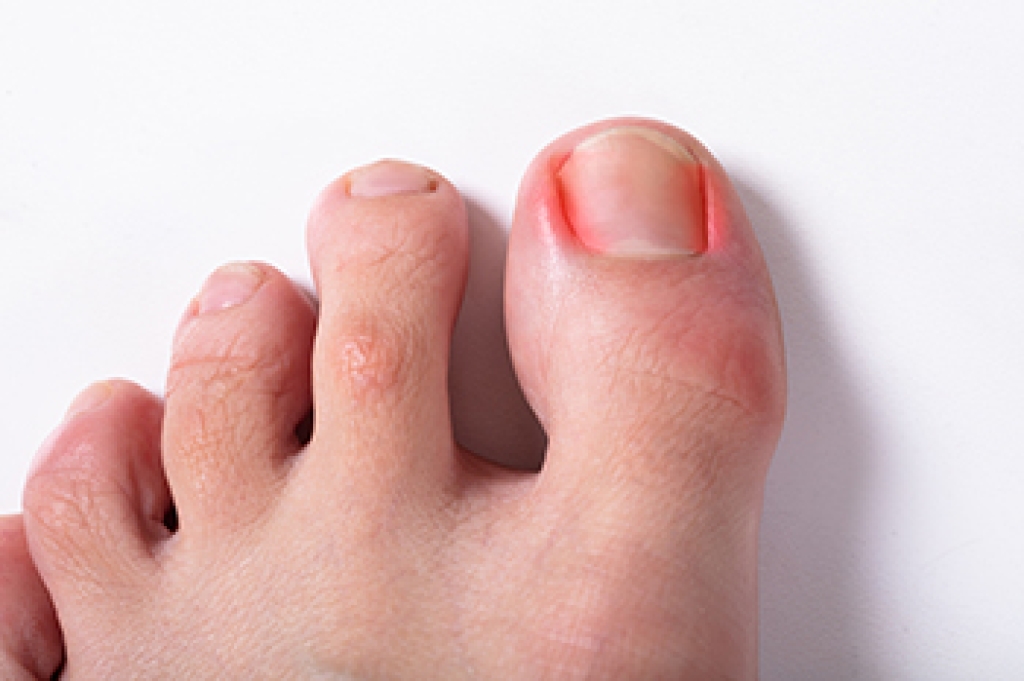
Foot pain that develops when walking is a frequent concern and can limit mobility and comfort throughout the day. One common cause is plantar fasciitis, which occurs when the band of tissue supporting the arch becomes irritated, often leading to heel or arch pain that is most noticeable with the first steps after rest. Nerve-related pain, such as Morton’s neuroma, can also contribute, creating burning, tingling, or numb sensations in the ball of the foot, commonly between the toes. Another source is metatarsalgia, a condition linked to excessive pressure on the forefoot that causes soreness or sharp pain beneath the metatarsal area during activity. In addition, tendonitis may develop when foot or ankle tendons are overworked, resulting in stiffness, swelling, and pain that can worsen after periods of inactivity. If you are experiencing foot pain after walking, it is suggested that you make an appointment with a podiatrist for help.
Exercising your feet regularly with the proper foot wear is a great way to prevent injuries and build strength. If you have any concerns about your feet, contact Mark Isenberg, DPM from Center for Podiatric Excellence. Our doctor can provide the care you need to keep you pain-free and on your feet.
Exercise for Your Feet
Exercise for your feet can help you gain strength, mobility and flexibility in your feet. They say that strengthening your feet can be just as rewarding as strengthening another part of the body. Your feet are very important, and we often forget about them in our daily tasks. But it is because of our feet that are we able to get going and do what we need to. For those of us fortunate enough to not have any foot problems, it is an important gesture to take care of them to ensure good health in the long run.
Some foot health exercises can include ankle pumps, tip-toeing, toe rises, lifting off the floor doing reps and sets, and flexing the toes. It is best to speak with Our doctor to determine an appropriate regimen for your needs. Everyone’s needs and bodies are different, and the activities required to maintain strength in the feet vary from individual to individual.
Once you get into a routine of doing regular exercise, you may notice a difference in your feet and how strong they may become.
If you have any questions, please feel free to contact our office located in Pensacola, FL . We offer the newest diagnostic and treatment technologies for all your foot care needs.